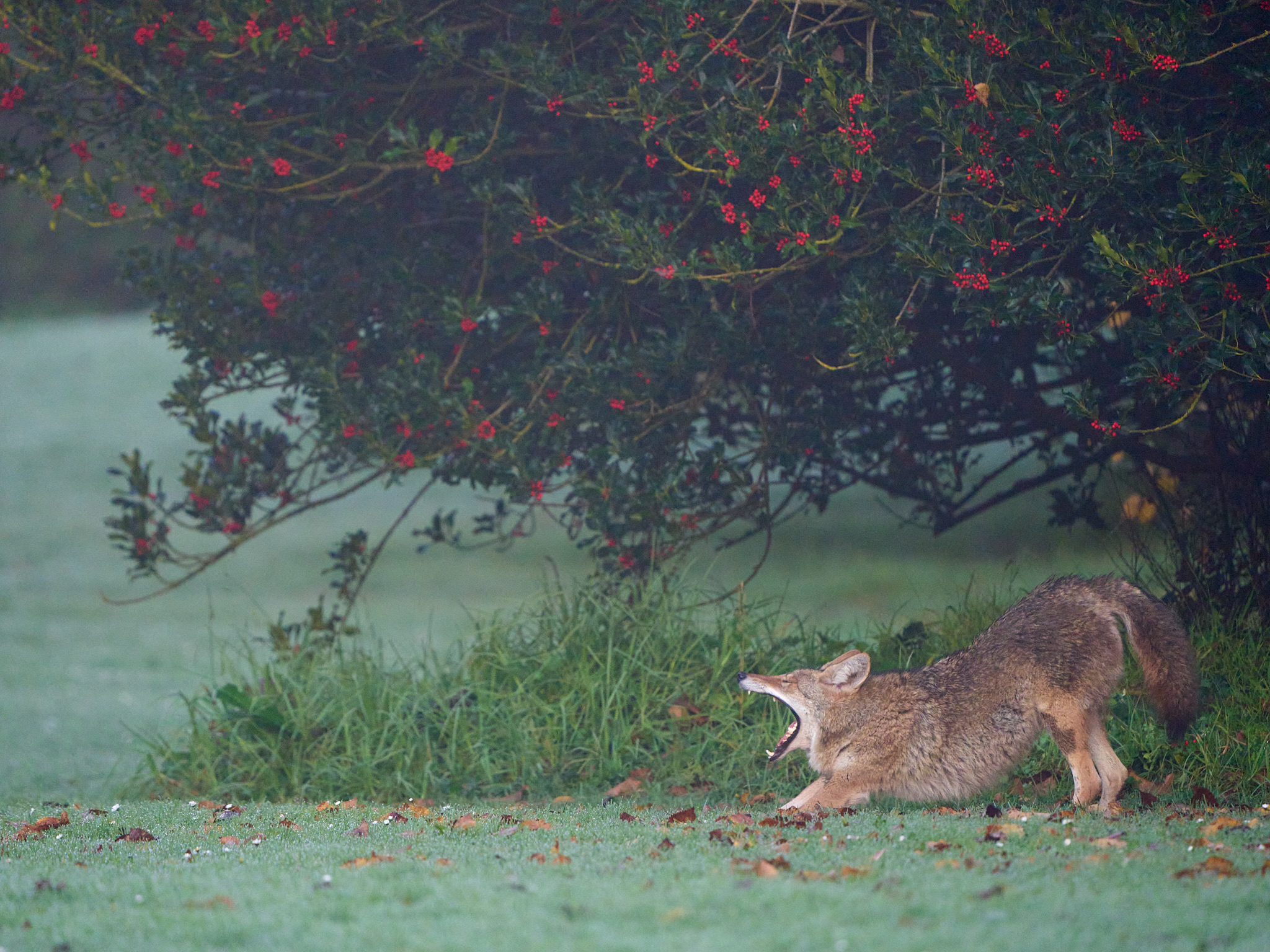
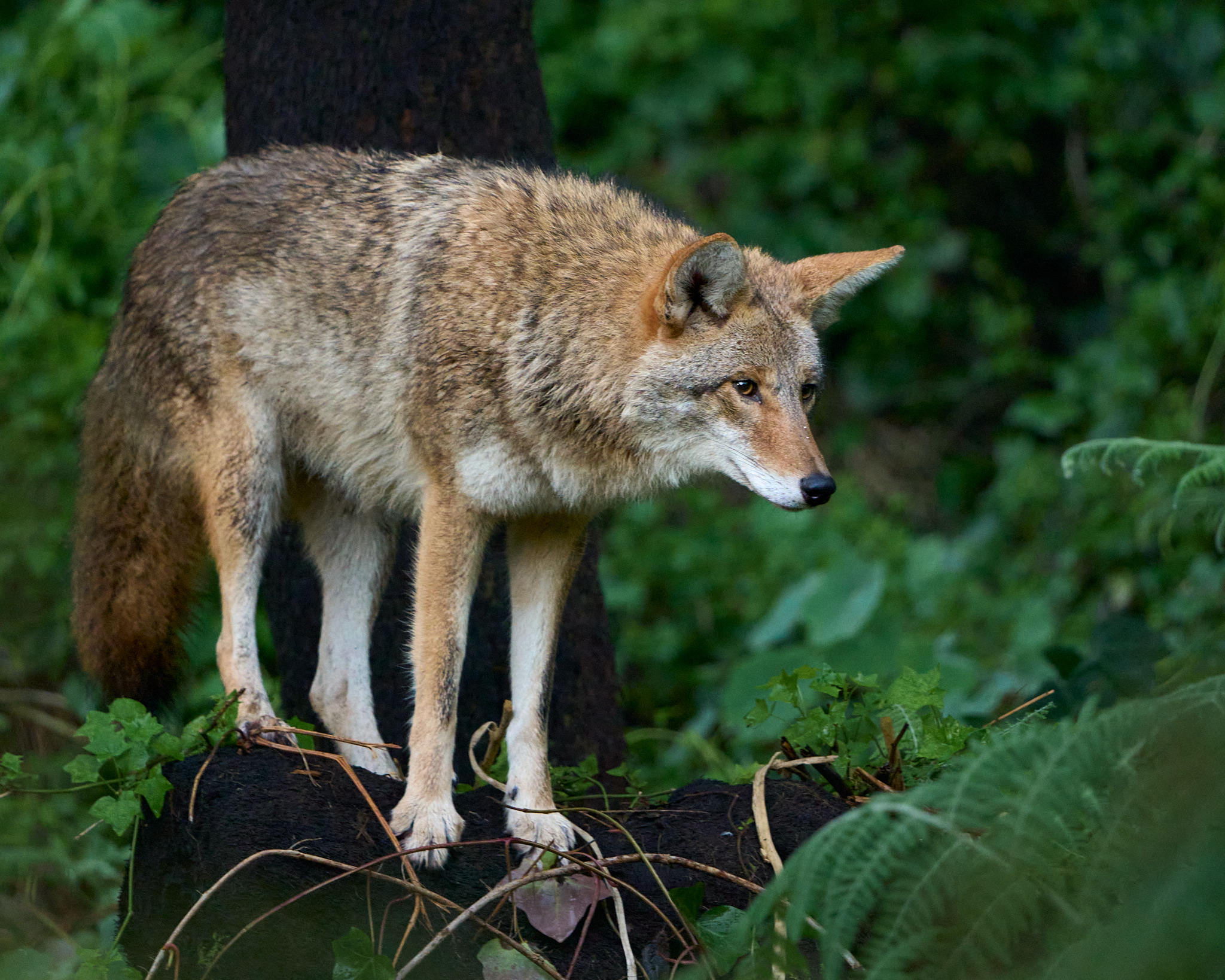
A Coyote standing on a hillside during a break from the rain.
If it’s raining on the weekend, I’ll almost certainly be out in a nearby park looking for wildlife. Most of the animals are smarter than me, so I don’t see as much as I would on clear days, but the parks are much emptier and I just love the looks I get during and right after the rain.
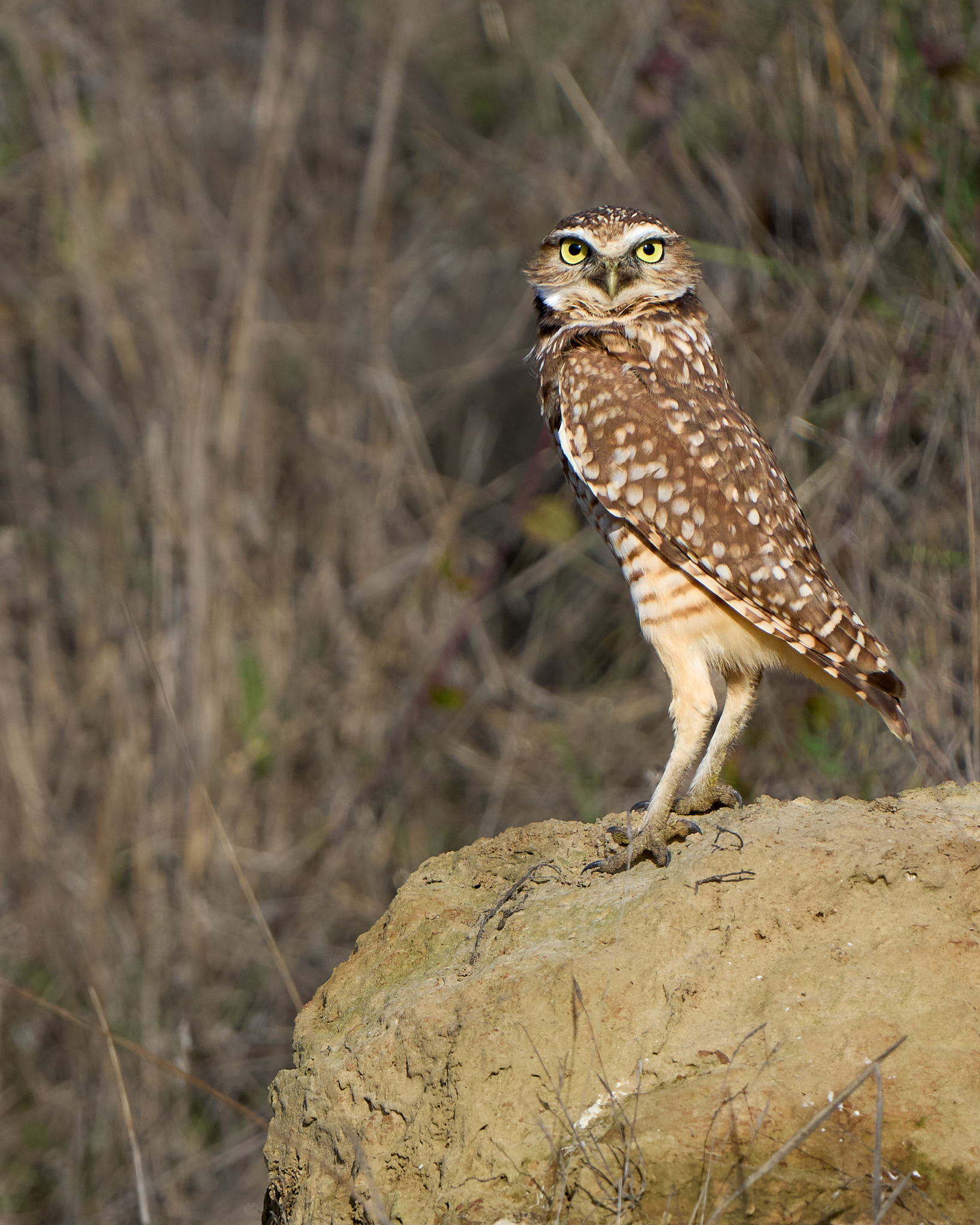
I was exploring off the beaten path when I heard a sudden fluttering. To my chagrin, I had completely missed a burrowing owl skulking somewhere in the underbrush, and it was now glaring at me from atop a rock.
These owls are tiny, topping out at about 9 inches tall. Unlike most owls, the females are slightly shorter than the males. Even when you’re looking for them, they’re hard to spot. When you aren’t looking … chances are you still won’t stumble over one given their reduced populations, but you can never know for sure.
With the owl cheeping indignantly and glaring, I took a few photos and then backed off. I wasn’t able to locate its burrow near where I first disturbed it, and it had disappeared when I peeked around the corner again.
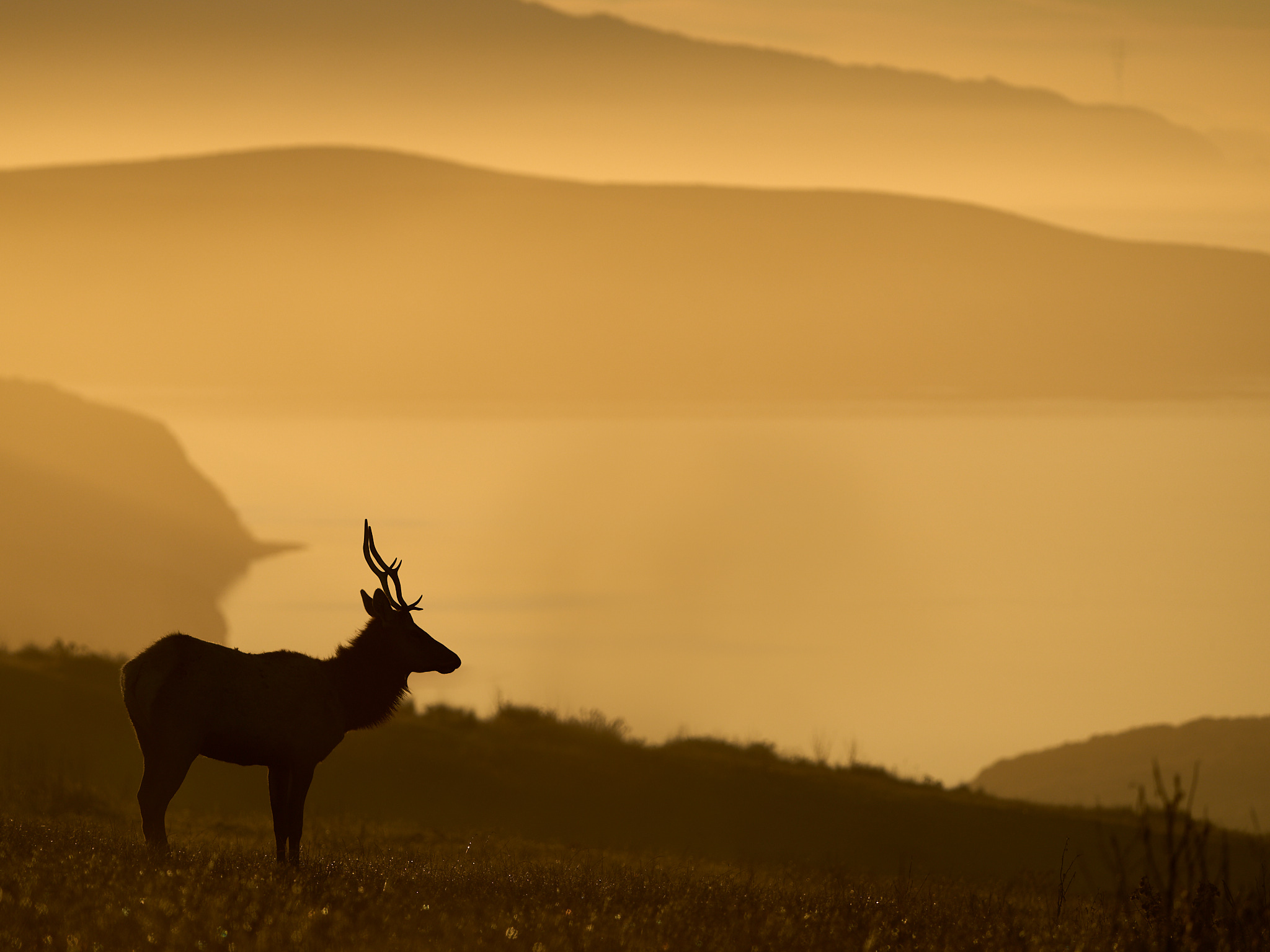
A young Tule Elk surveys its future territory on a cold misty morning. Tule Elk are the smallest subspecies of elk, and are found only in California. On its own, that narrows this photo down to just a few possible locations. If you know the Bay Area, can you spot the detail that tells you this photo was taken locally?
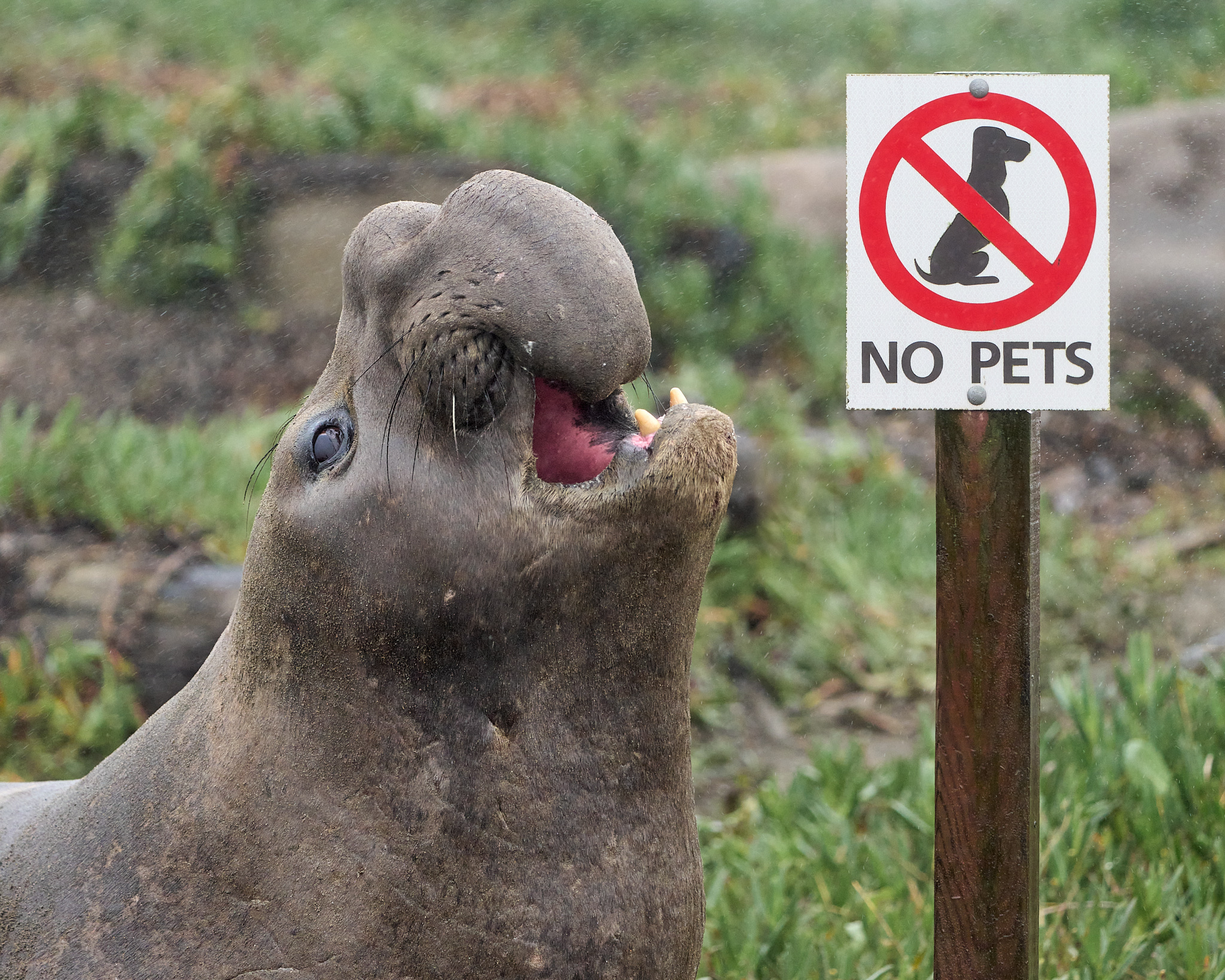
Ernest the Elephant Seal has an important Point Reyes beach safety message.
An underrated aspect of the beaches in Point Reyes is that they’re mostly closed to pets. Dogs are absolutely precious and an important member of every family that welcomes them, but they mix very poorly with shorebirds and other marine life.
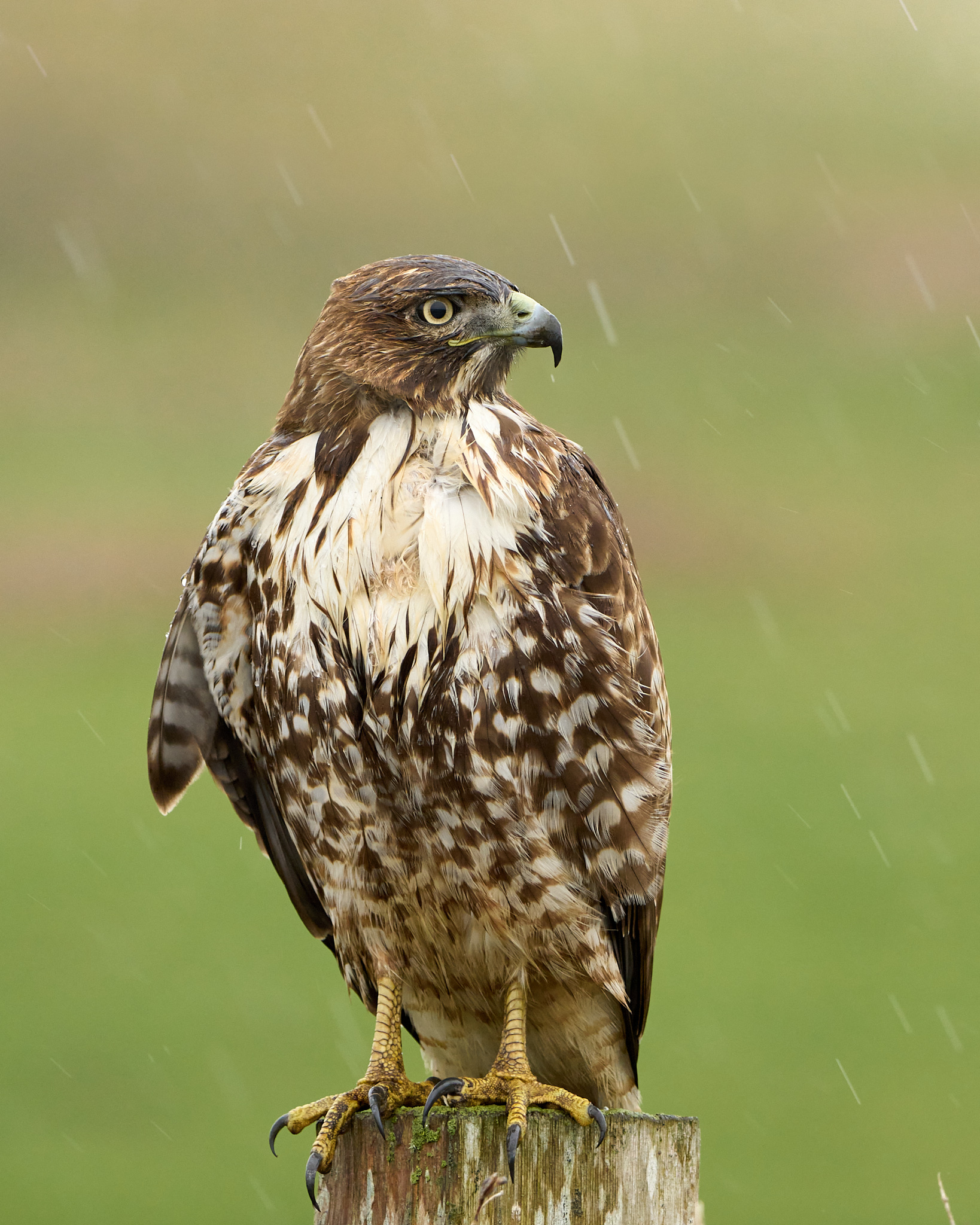
I’m a firm believer that there’s no landscape that can’t be improved by the addition of a California Quail. In the winter, the quail of Point Reyes abandon their high perches to the wintering hawks. Red-Tailed Hawks make an acceptable substitute for quail while the quail are laying low.
This Red-Tailed Hawk was giving a marsh one last scan before nightfall.
Whenever possible, Coyotes prefer to hunt by crashing down on unsuspecting prey. Chasing prey takes a lot of energy, and has a low chance of success. Much better to make short work of a tasty rodent when it’s least expecting it.
A favored technique is to specialize in legally blind gophers who are able to see movement and not much else. When hunting less visually stunted prey, it can help to find a vantage point from which to wait for something to emerge from the underbrush. (On this occasion, northing emerged.)