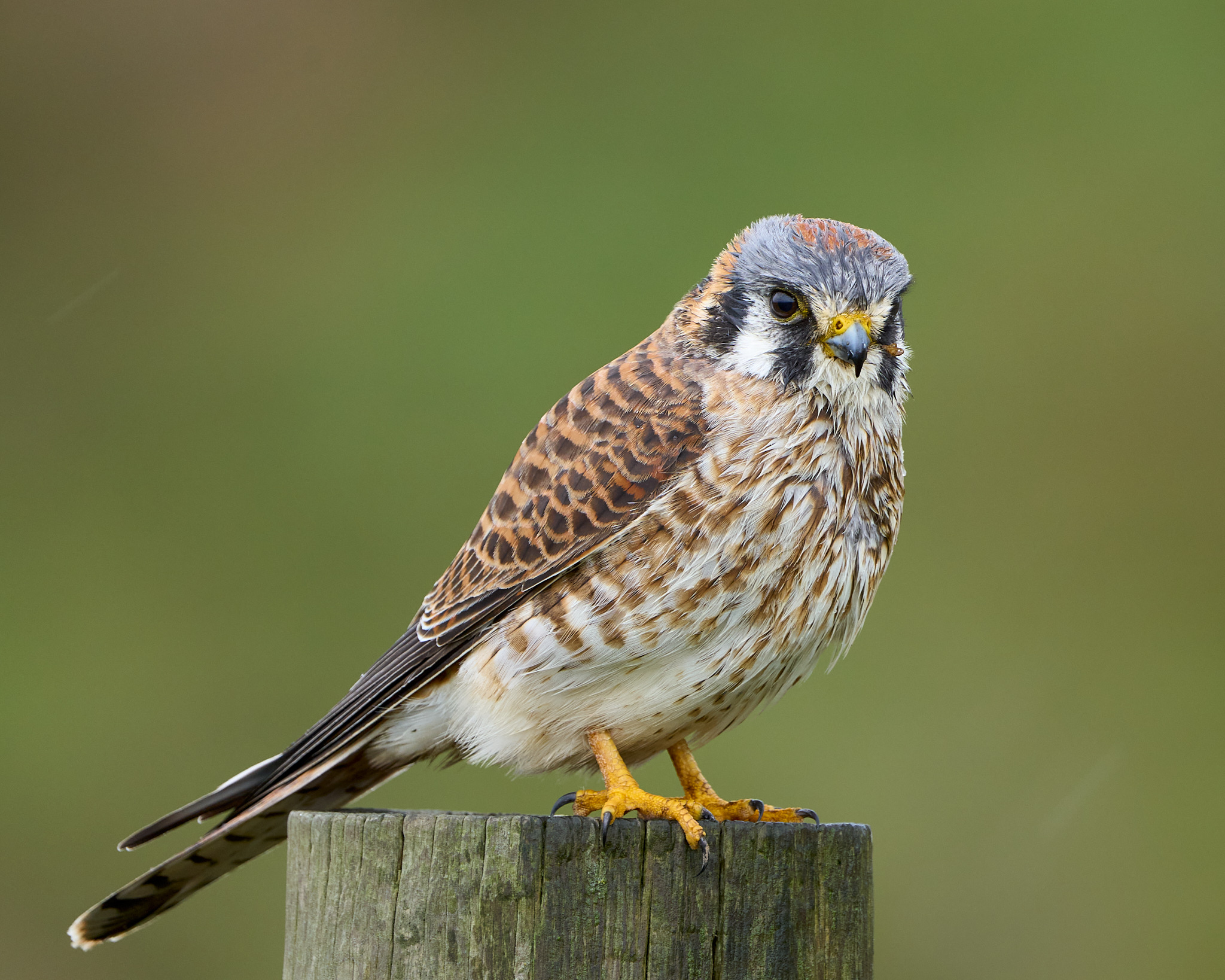
Continuing my obsession with raptors in the rain, this time with North America’s smallest raptor, the American Kestrel. She was hunting from an exposed perch even as the wind picked up and rain started driving. I’ve seen Kestrels out hunting in heavy rain before, but on this occasion she abandoned her hunting perch before getting completely soaked.
A Snowy Plover dashes around on an urban beach. Just think of all the people in those houses, tragically unaware of the threatened little fluffballs living on the beach right next door 😭.
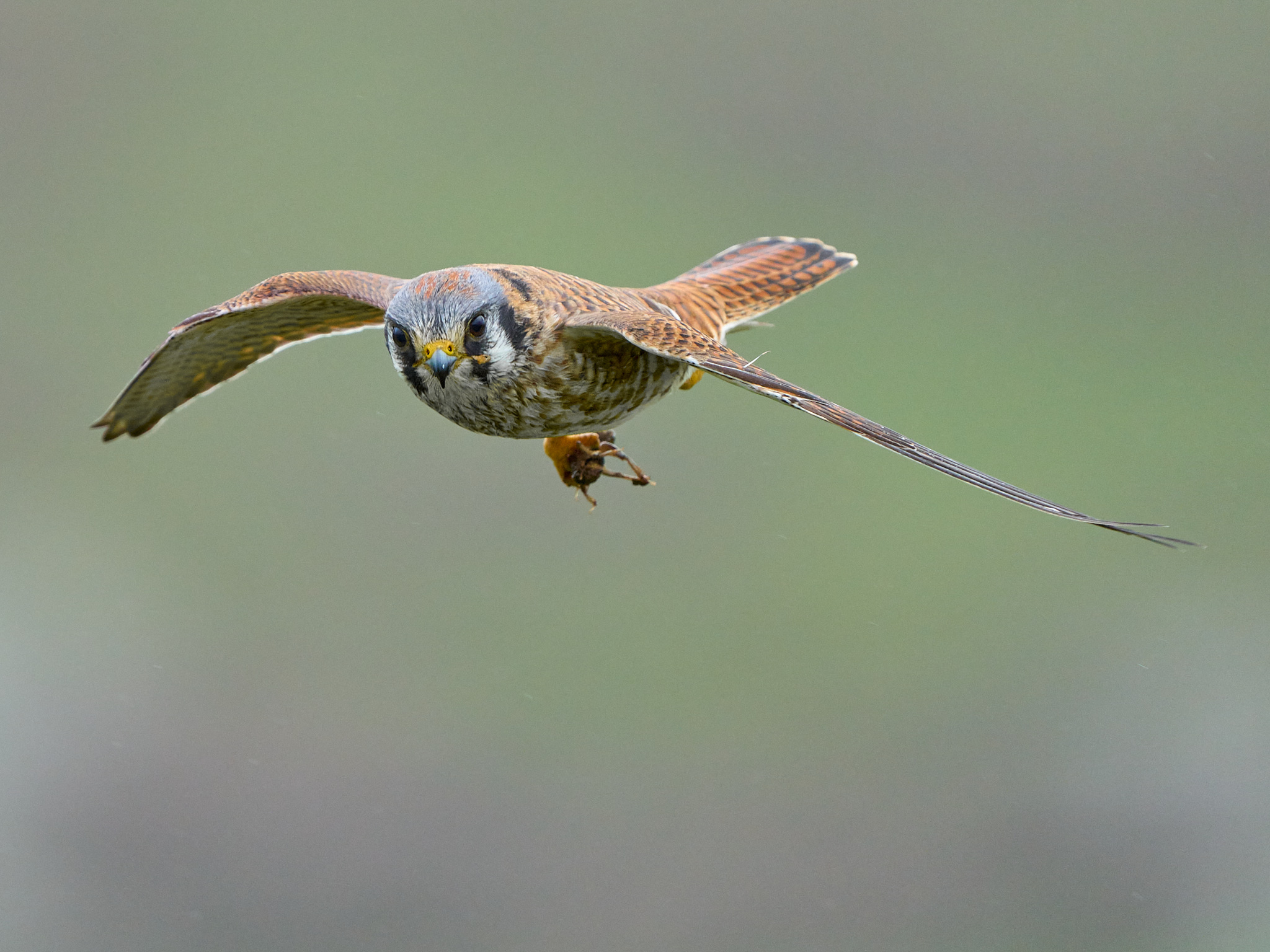
An American Kestrel flies to her perch clutching a Jerusalem Cricket. I’ve read on Wikipedia the Jerusalem Crickets are nocturnal, but I regularly see Kestrels pluck one after the other off the ground. They hover for a few minutes, swoop down, bring one back to a perch, devour it, and repeat over and over. If they’re truly nocturnal and that easy to find during the day, the ground must be swarming with them at night.
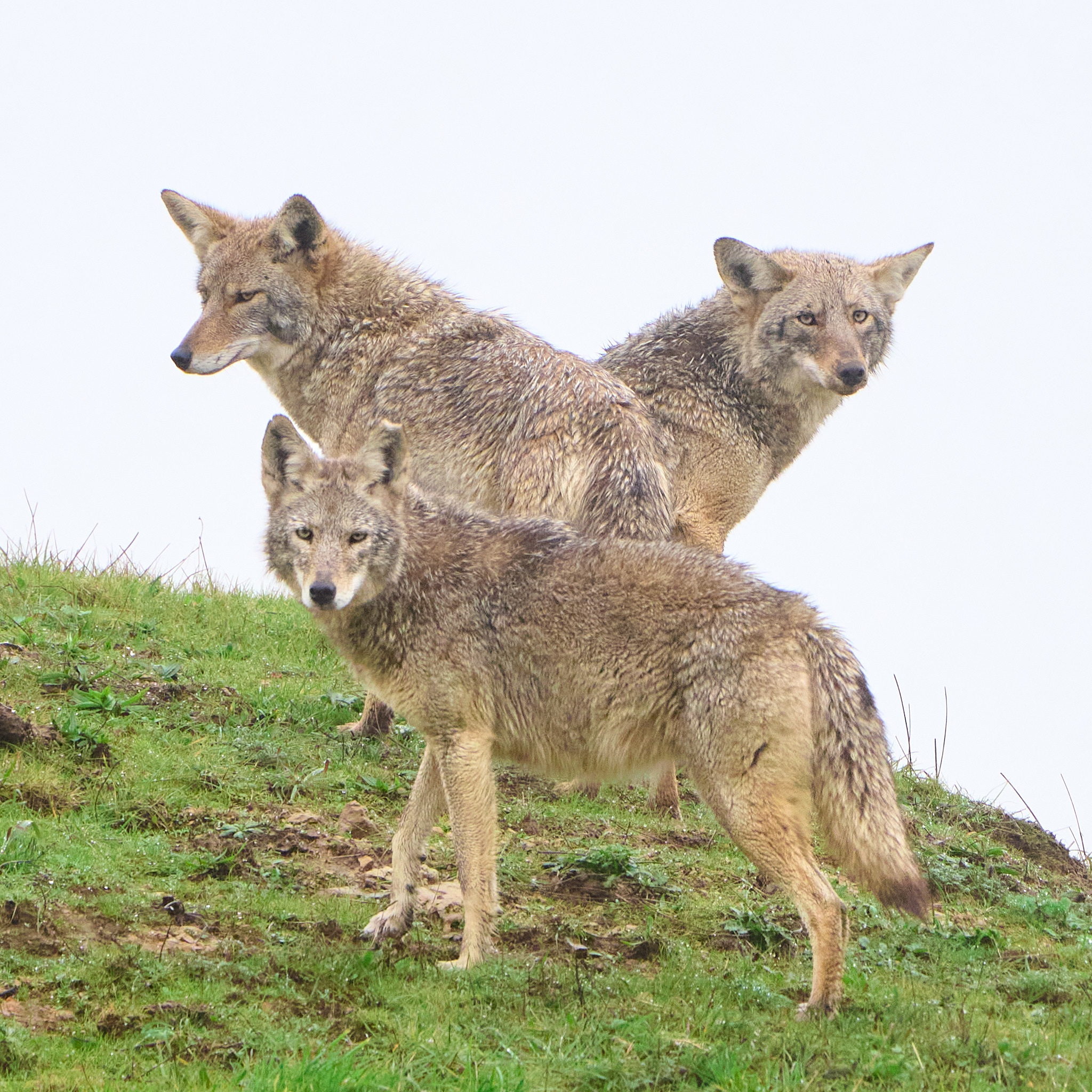
Most of the Coyotes I see in Point Reyes are solitary, or in pairs during mating season. It stands to reason since they almost exclusively prey on small rodents that there wouldn’t be much if any advantage to hunting in packs. If anything, a pack-mate is just a potential tipoff for a skittish gopher or vole.
I heard this pack before I saw them. A chorus of yipping started on the other side of a hill. That often happens right around sunset, but this was mid afternoon. I found a place to park and waited in a field, hoping they would come over the hill. Soon enough, a Coyote stalked over the hill, followed by another, then another, then two more, and finally a fifth Coyote. The most I’ve ever seen in one place.
They mostly stayed spread out, but these three were kind of enough to briefly pose together. A nicer background and a slightly closer look would have made this a perfect encounter, but I was pretty pleased with this family portrait!
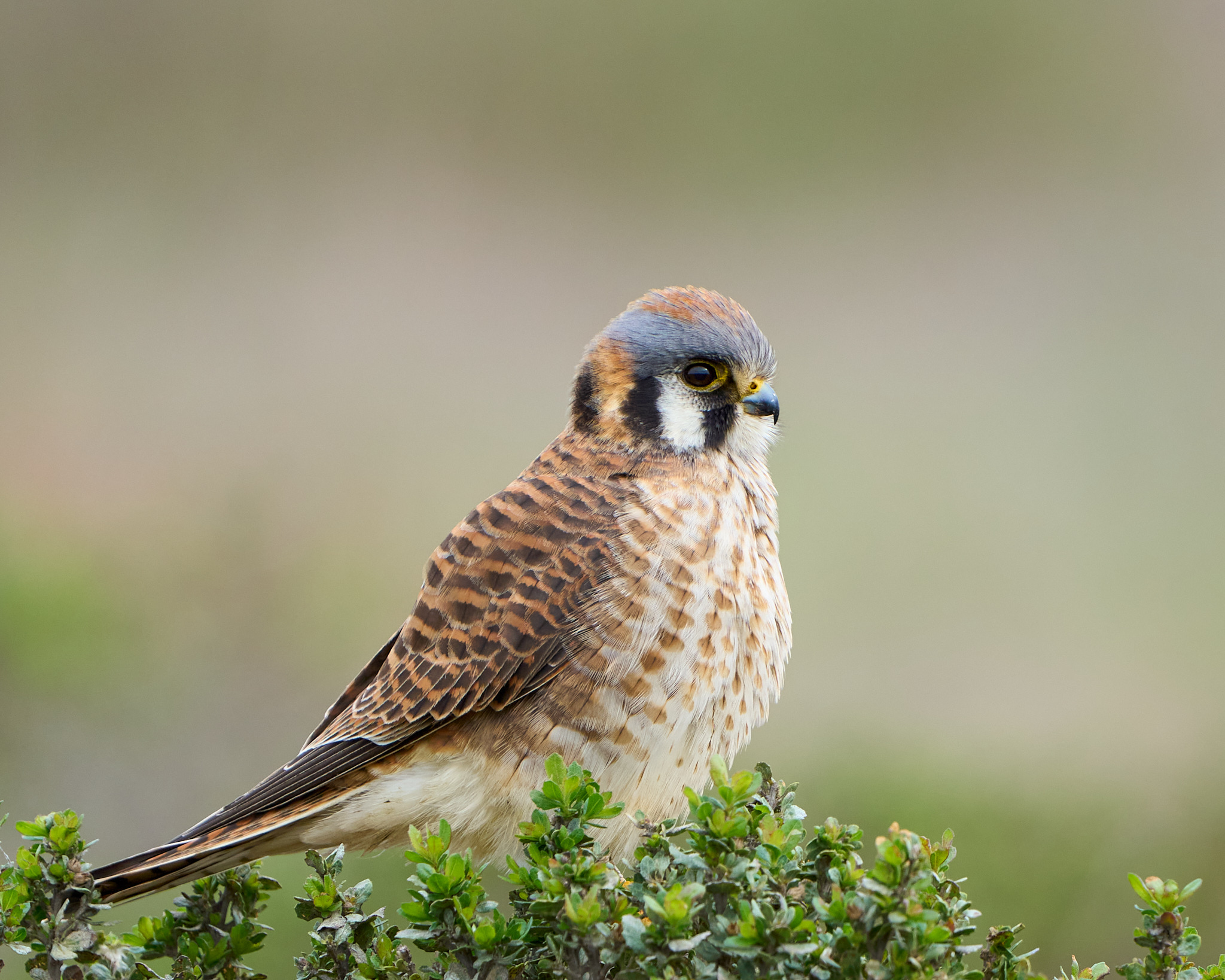
What a treat for an American Kestrel to let me approach her as she perched on a natural coyote brush perch. I’m usually happy just to get a moment with one of these ferocious little raptors on a fence post before it inevitably takes wing. When she alighted on a nearby bush and then stayed there while I lined up a composition, I knew I had a really special shot.
If you spend any time looking for advice on shorebird photography, you’ll hear it over and over: “don’t chase, just find a [safe] spot on the beach and wait for them to come to you.” I’ve tried it over and over, and it’s never really worked. I’ll plop down on the beach, watch the birds wander away, and eventually get chased off by a big wave before they wander back. I’ve long suspected this advice works best on the east coast, which has wider beaches and calmer waters.
At last, I’ve figured out how to apply this advice on the west coast. The first step is to wait for a low king tide, something that only happens on three or four days per year. Next, check the weather. You want scattered clouds at the end of the day, the kind that will really cause the light to pop off at sunset. Finally, find a comfortable spot on the beach and try to line up a scenic composition across the mudflat, with a distant plover silhouetted against the many-hued clouds illuminated by the setting sun. Then, and only then, will the little jerks walk up and pose for a portrait right in front of your lens, tantalizingly outside of the frame you envisioned ever since the forecast first started coming together at the beginning of the week.
I still love these adorable little avian snowcones. Maybe they, the tides, and the clouds will all line up for me next year.
A Bobcat emerges for its evening hunt. It’s always such a thrill when a Bobcat trusts you enough to walk towards you. Some want nothing to do with humans, some need a painstakingly slow approach to warm up to you, and some don’t mind if you saunter in their general direction. In every case the encounter is the most rewarding when you let them do their thing and get to watch their natural undisturbed behavior.
This time my patience was rewarded and the Bobcat walked towards me as she crept up on a gopher hole. She stopped well short of me, so I didn’t get a frame-filling shot, but this photo does a much better job of capturing the experience of spending time with a Bobcat. Those frame-filling shots make them look like giant cats, but they’re barely twice the height of a domestic cat.
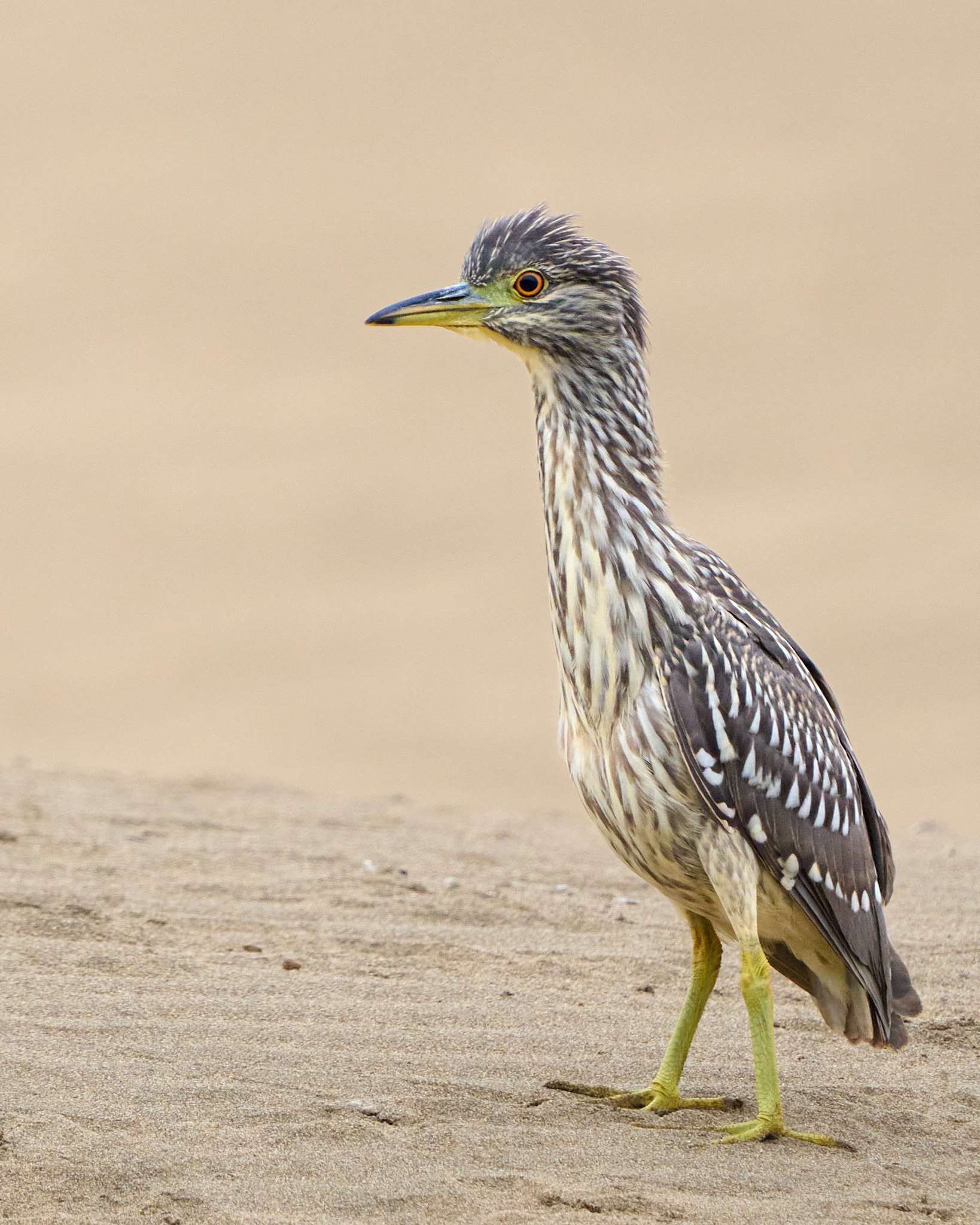
A juvenile Black-Crowned Night Heron standing uncharacteristically tall. I’m more used to seeing them all coiled up on themselves, but this young fellow was craning to look over the bank of the lagoon.