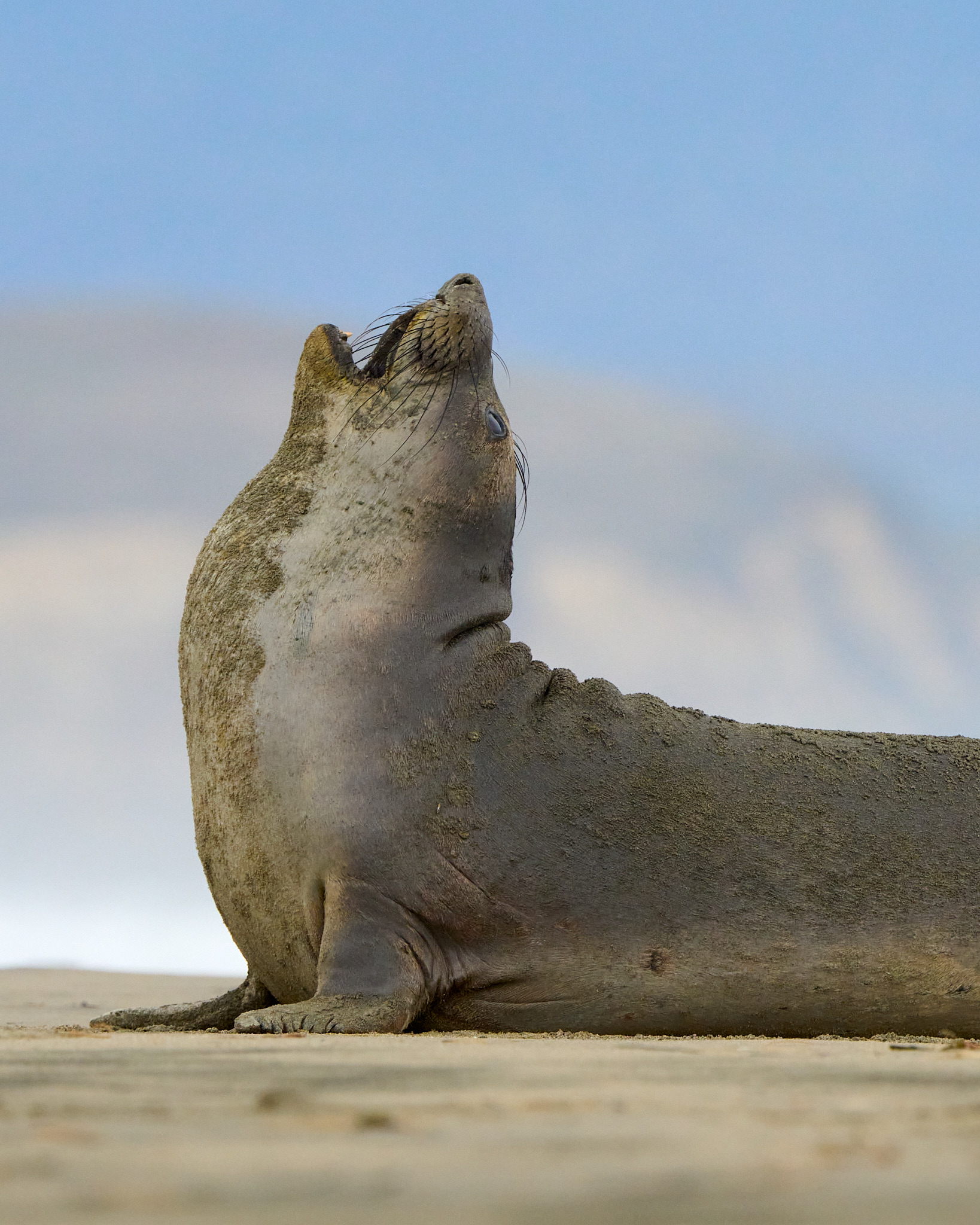
A juvenile Elephant Seal practices his dominance display. Elephant Seals take quite a while to mature. The females breed at 3-6 years, while it takes five years for the males to develop the beginnings of the nose or trunk that gives them their name, and another three years to grow into a full-sized alpha male.
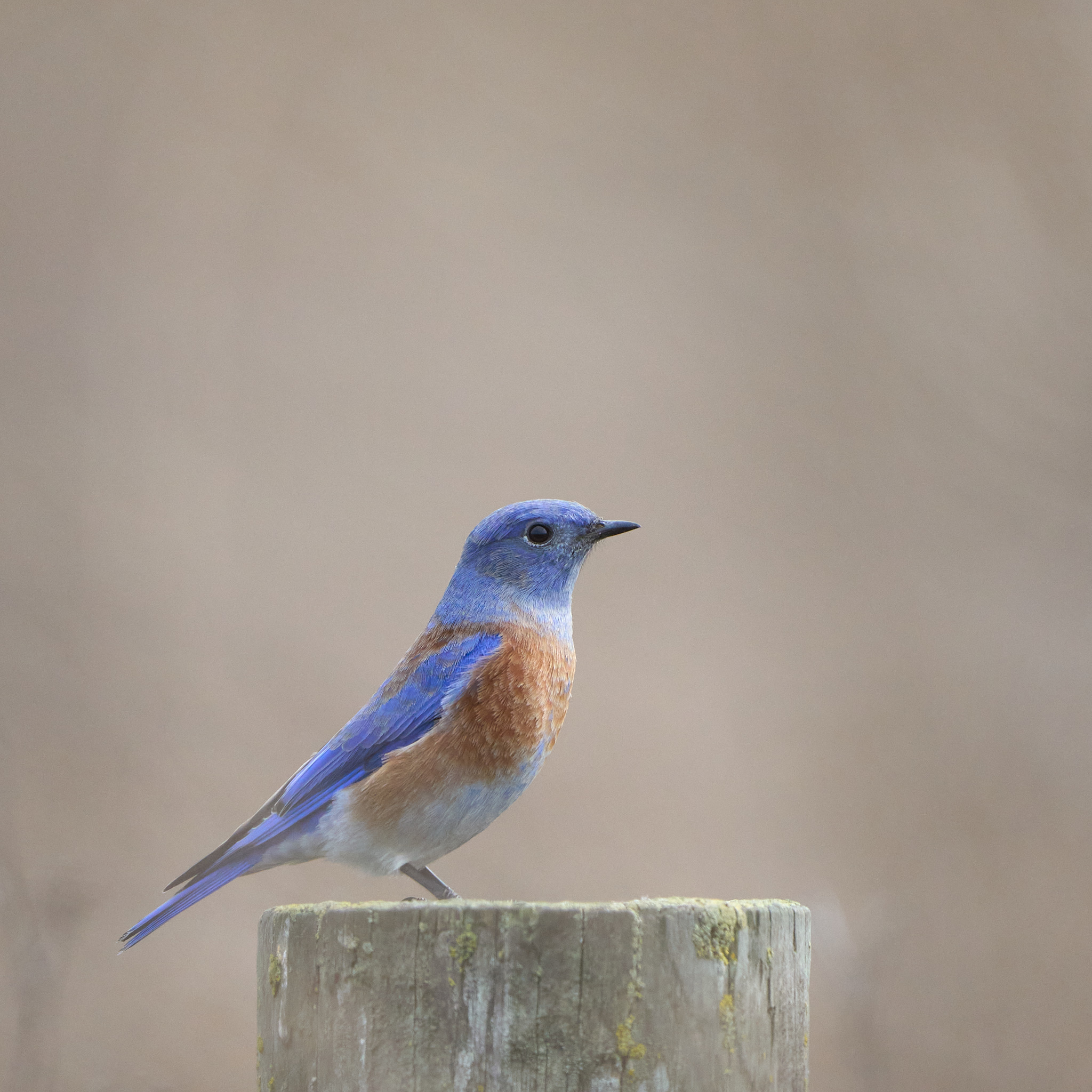
I really love western bluebirds. They have such a bold combination of colors, but each of the hues shows a certain amount of restraint. It’s like they did what I do when editing photos: find the spot where things start to look garish, and then back to a more reasonable point.
In this photo, the colors are muted a bit more by the effect of the bushes I was shooting through. They’re normally very hard to approach in the open country where I normally photograph them, so maybe the modicum of concealment helped me pull off this shot.
A Coopers Hawk perches on a Desert Fan Palm trunk in Murray Canyon near Palm Springs.
The Coachella Valley (home to present-day Palm Springs) used to be half-covered by Lake Cahuilla, then fed by the Colorado river. After the river changed course in the 1500s, the lake dried up and the Cahuilla people were sustained by oases, such as Murray, Tahquitz, and Palm Canyons. These oases also sustained California’s only native palm, the Desert Fan Palm. The palms provided food, shelter, clothing, and tools for the Cahuilla, and continue to provide sustenance or convenient hunting perches for the wildlife drawn to the oases.
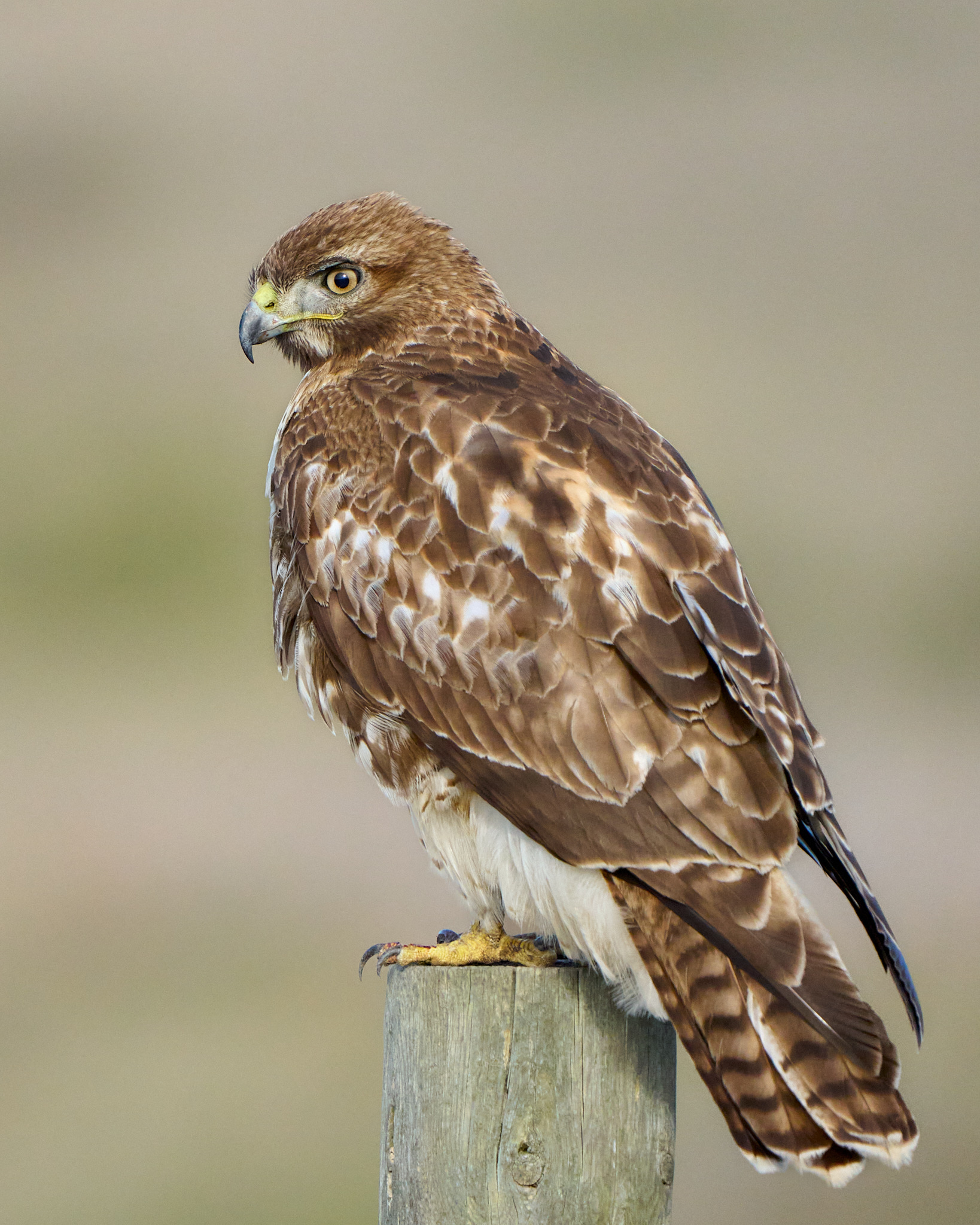
Regular followers of my posts might recall that I love photographing raptors in the rain (others, take note!). I don’t think I ever expected to do that in the middle of the desert, but here’s a juvenile Cooper’s Hawk perching on a Desert Fan Palm trunk near Palm Springs while a light rain falls.
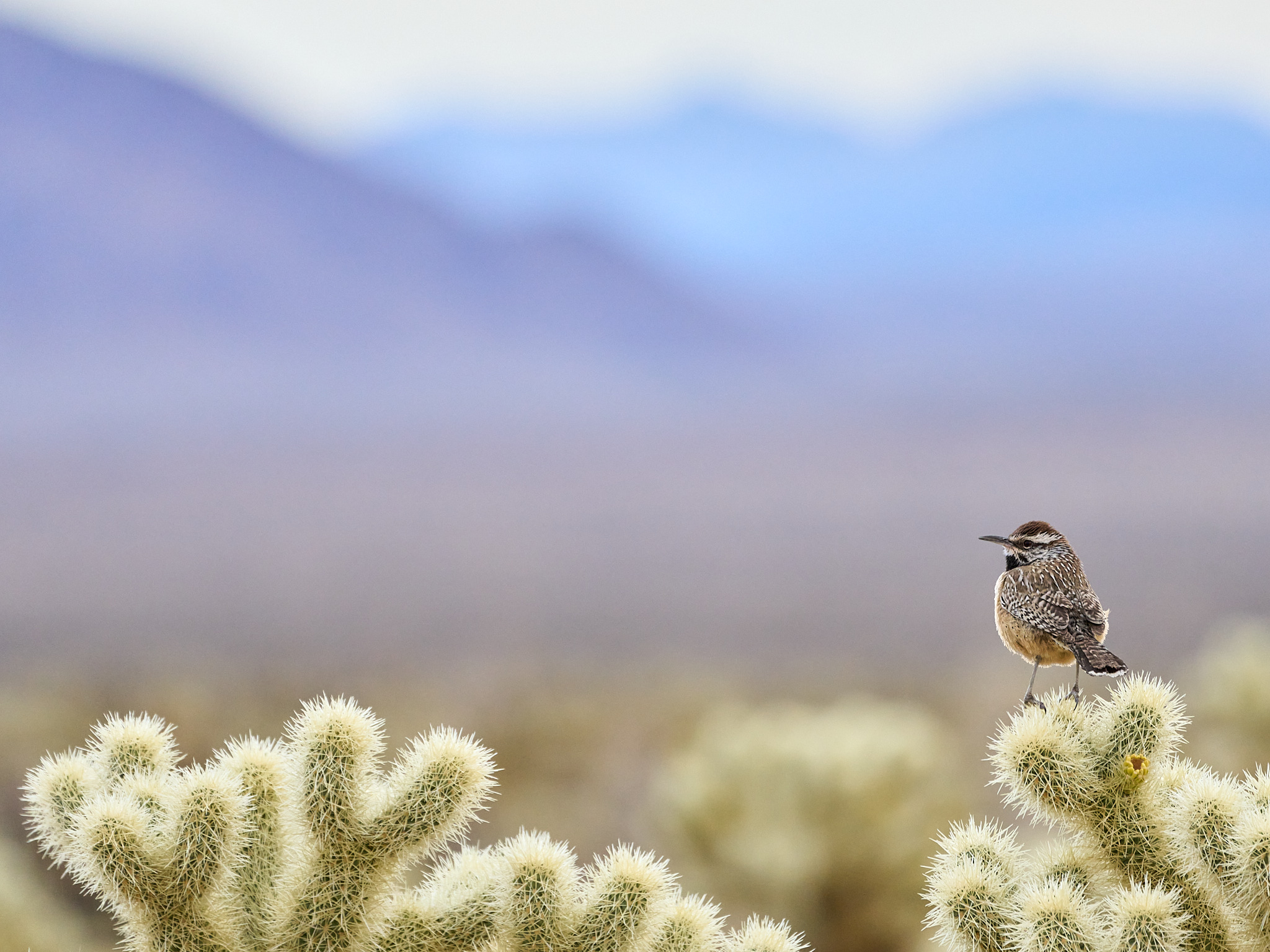
Cactus Wren posing on some Teddy-Bear Cholla at Joshua Tree National Park.
Cactus Wrens are really neat birds. They’re quite large by wren standards, have beautifully patterned plumage, and a haunting clicking call that echoes from the desert hillsides.
Teddy-Bear Cholla is no joke. Its sharp spines stick to clothing, skin, or shoes if you even look at it too closely. This is actually how it reproduces: via pieces breaking off and hitching a ride on unsuspecting passersby.
Likely because of its danger to other animals, cholla cacti are Cactus Wrens’ favorite perches. When it isn’t available, they prefer other prickly cacti. This likely helps keep them safe from predators. Desert woodrats have a similar adaptation, using collected bits of cholla to fortify the entrances to their nests. Life in the desert is tough!
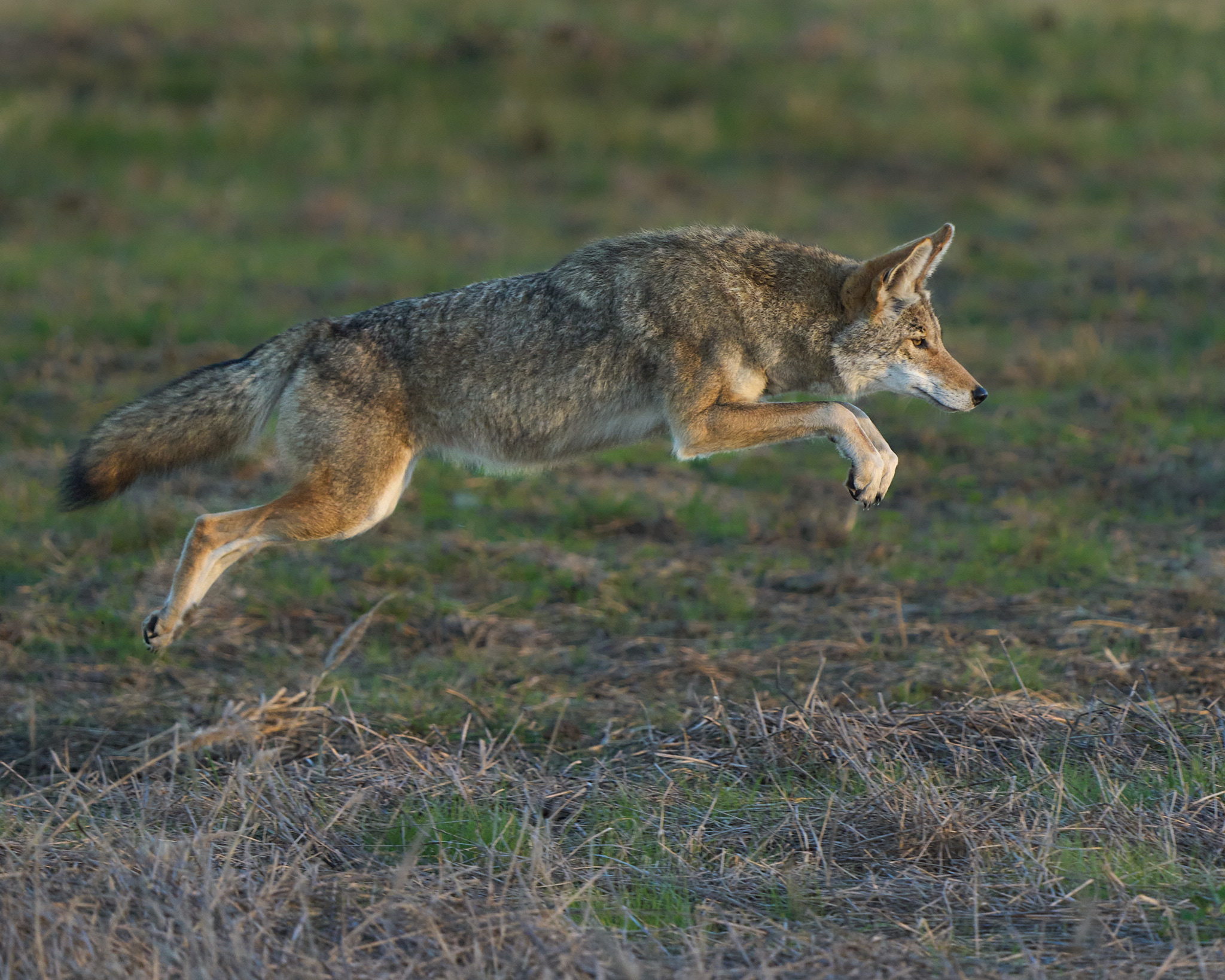
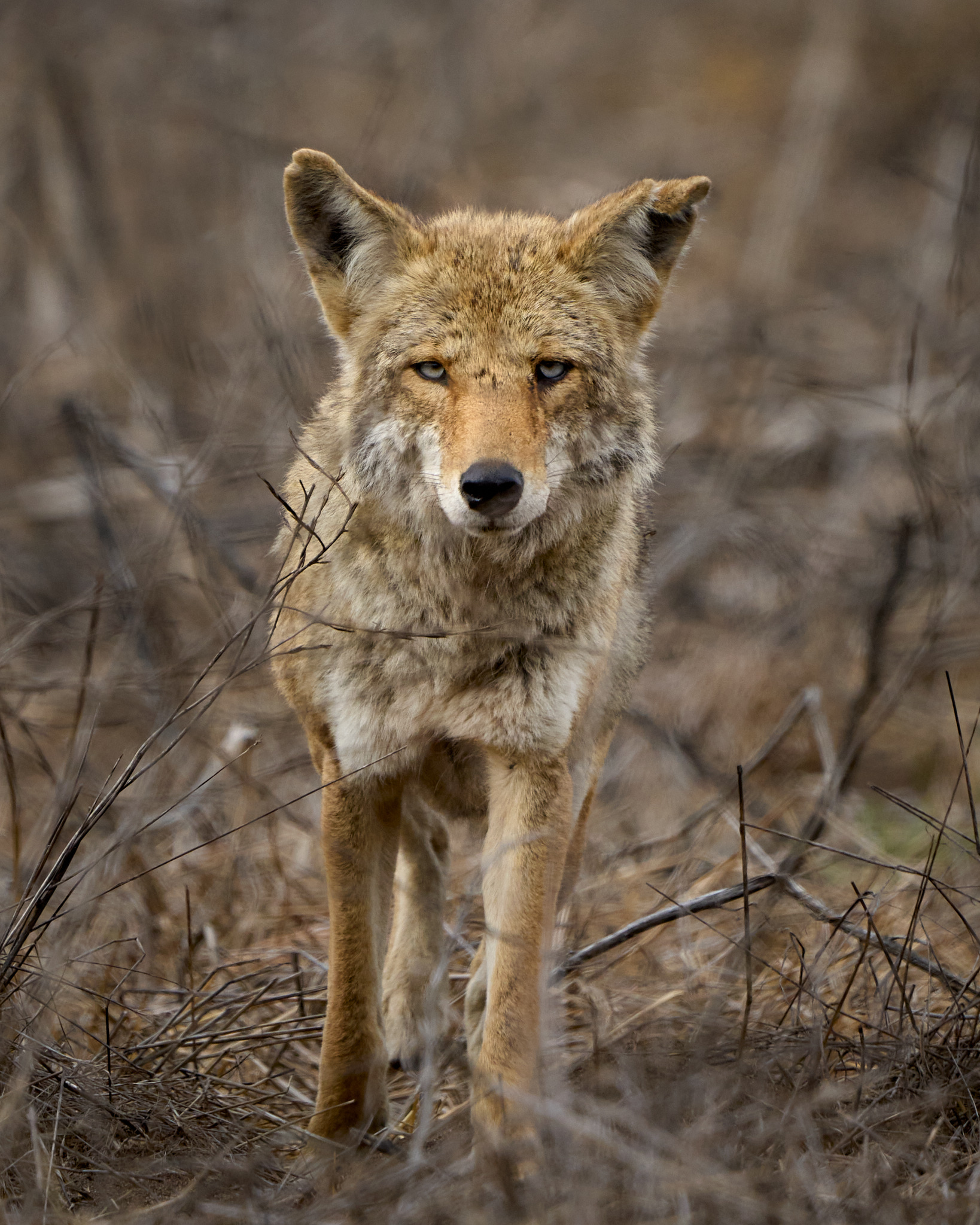
This is probably my favorite photo from 2023. It’s not the prettiest foreground and background, but Point Reyes gets pretty scruffy in late fall. And it matches this guy, who’s gone through a few things.
This was one of those moments that you always hope for, but rarely get to experience in wildlife photography. I saw this Coyote walking across a field towards a patch of scrub. I figured I could wait on the other side of scrub, and maybe if I got lucky the Coyote would keep coming my way, giving me an opportunity at something close to a head-on shot. Just as I had hoped, the Coyote picked its way through the scrub, and emerged facing right towards me. We locked eyes and I felt like I was invited into his world for just a brief moment, before he went back to ignoring me, turned right, and continued along his way.
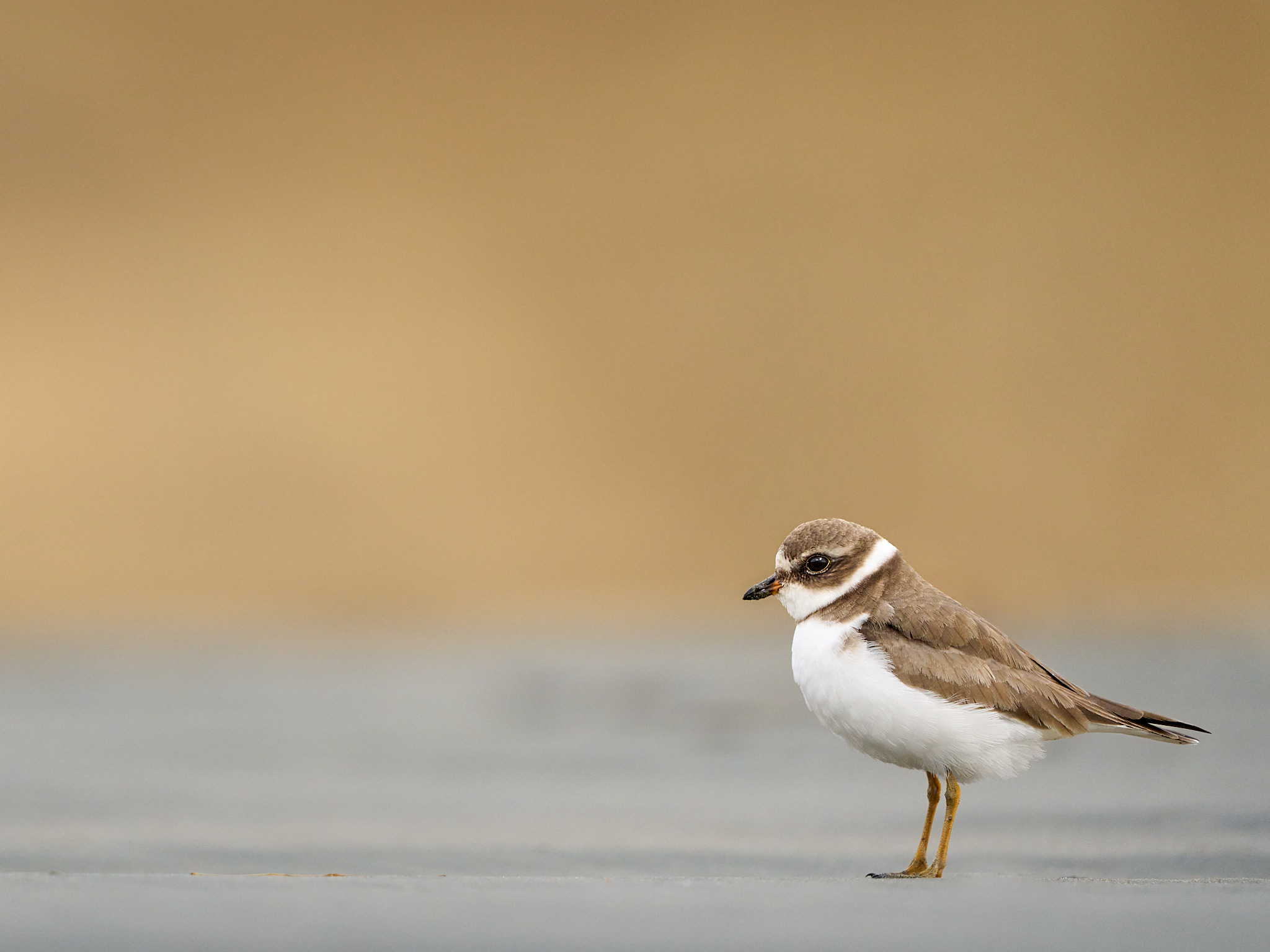
I often confuse these Semipalmated Plovers with Snowy Plovers on first glance. Unlike snowies, these little fellows have orange on their bill, orange legs, and a full band across their chest. Also unlike snowies, they don’t breed locally. There’s only a brief period in early Spring when we can catch them in their breeding plumage before they migrate to their northern breeding grounds.