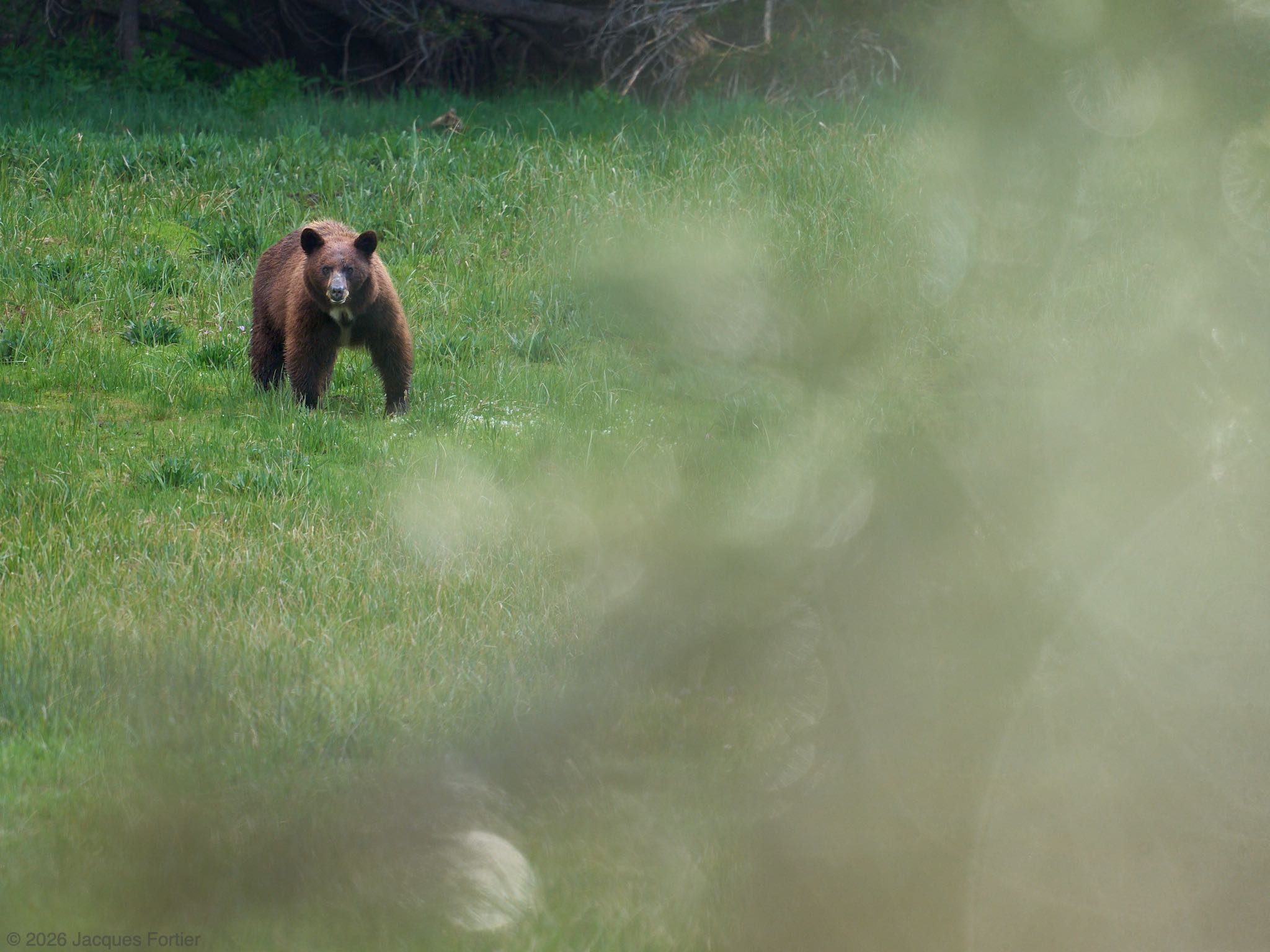
I was hiking through a meadow in the Sierra when I spotted this Black Bear. We were both pretty surprised to see each other. Black Bears are pretty shy, so he turned around and ran away, but not before flashing his stylish ascot.
I was hiking through a meadow in the Sierra when I spotted this Black Bear. We were both pretty surprised to see each other. Black Bears are pretty shy, so he turned around and ran away, but not before flashing his stylish ascot.
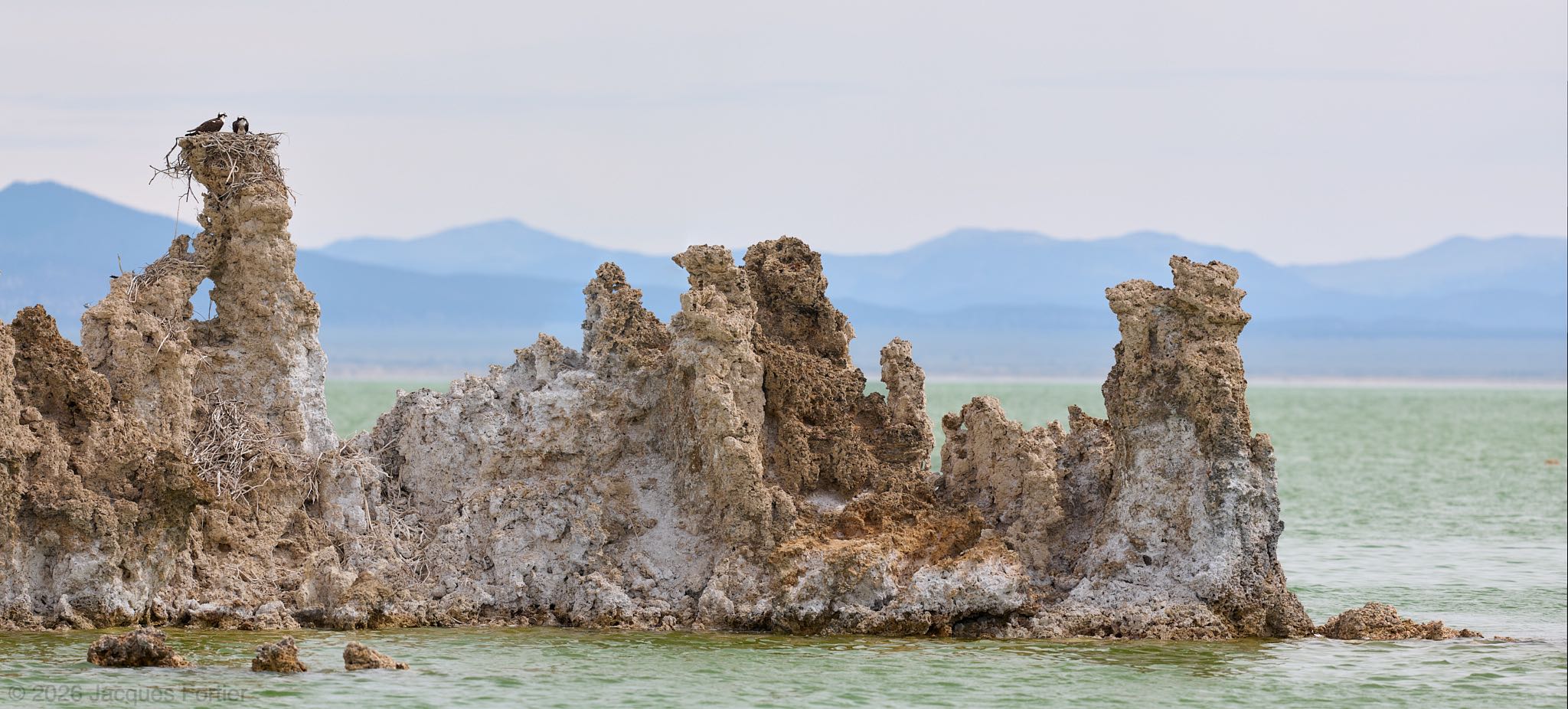
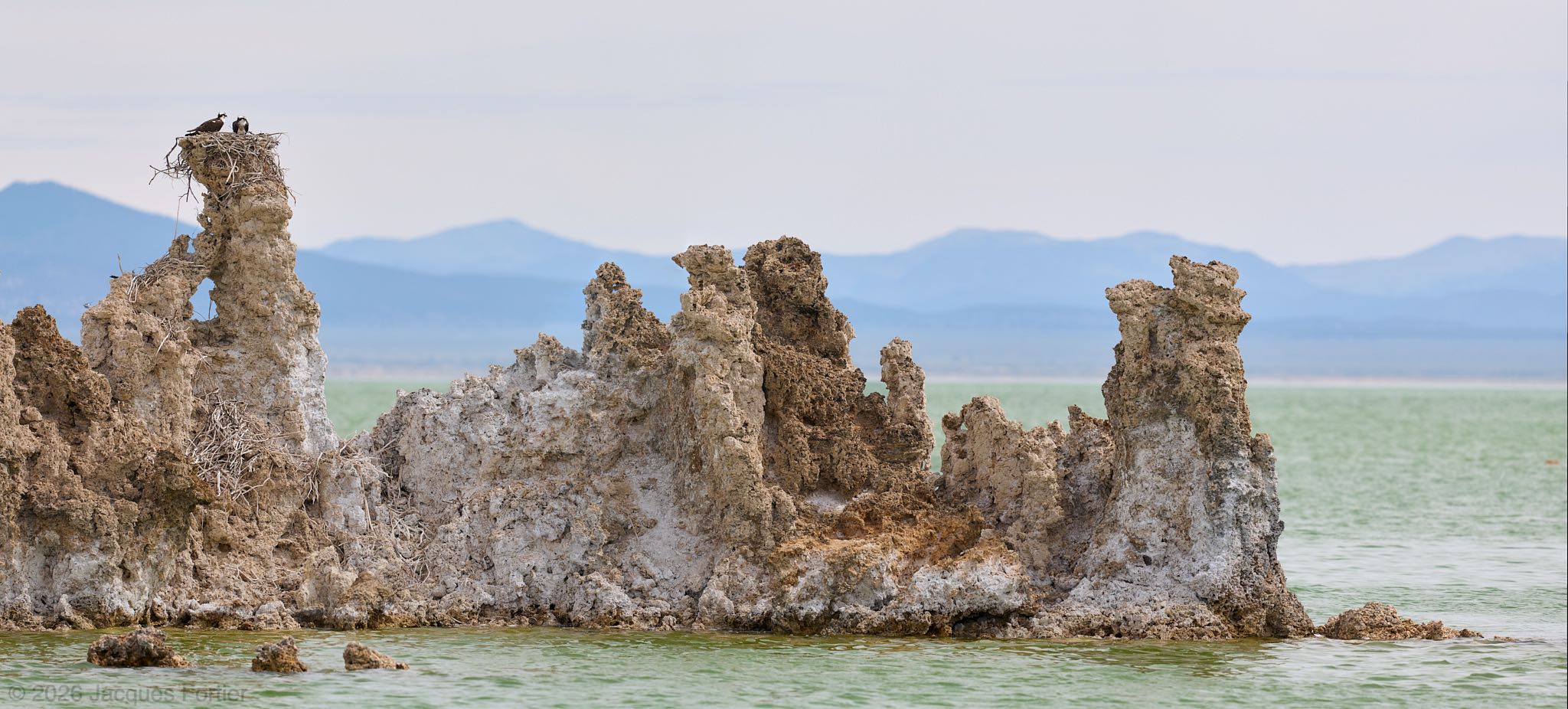
It’s been a while since I’ve posted a ridiculous panoramic shot. This Osprey pair nesting on a tufa formation really called out for the widescreen treatment.
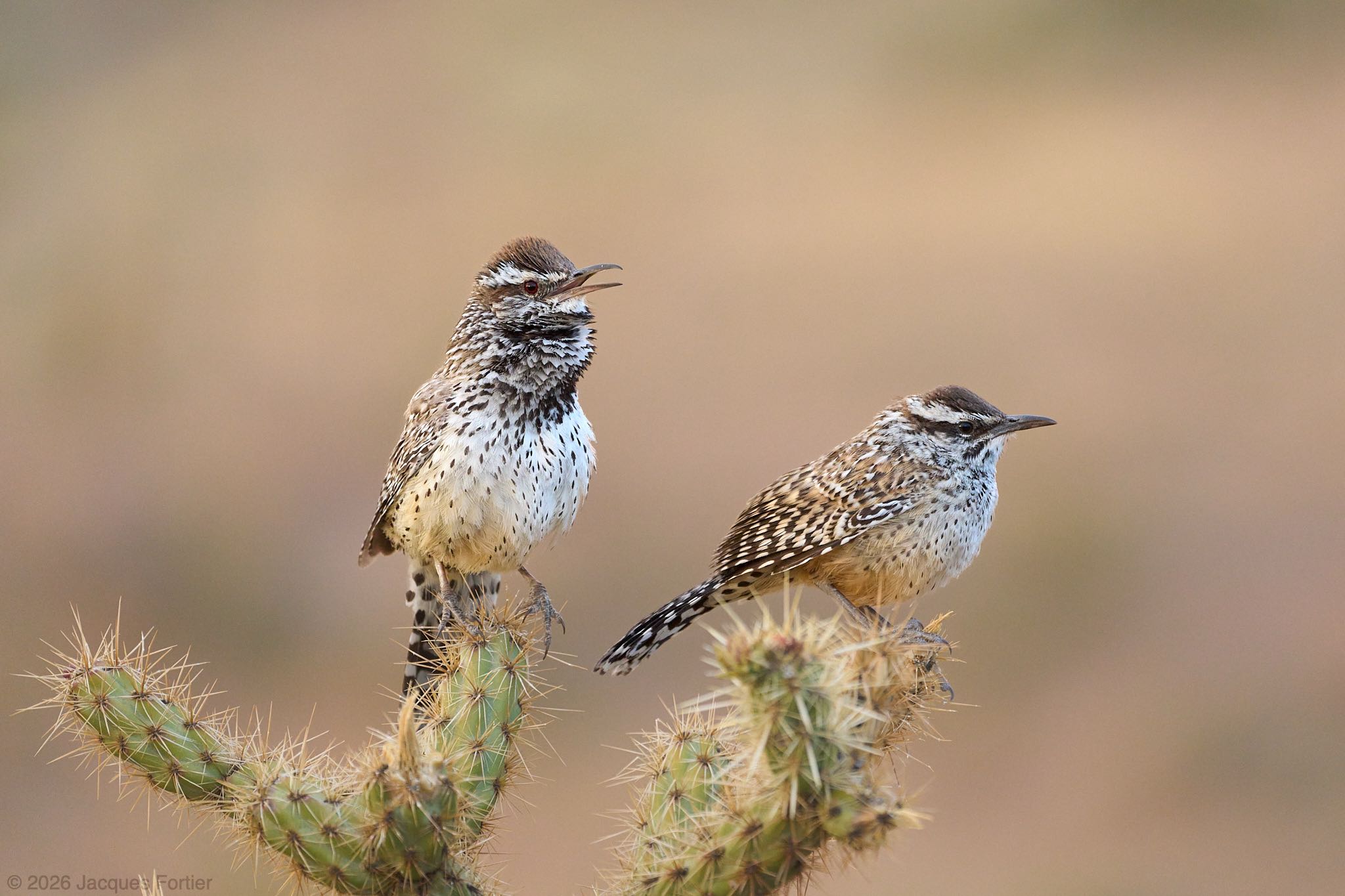
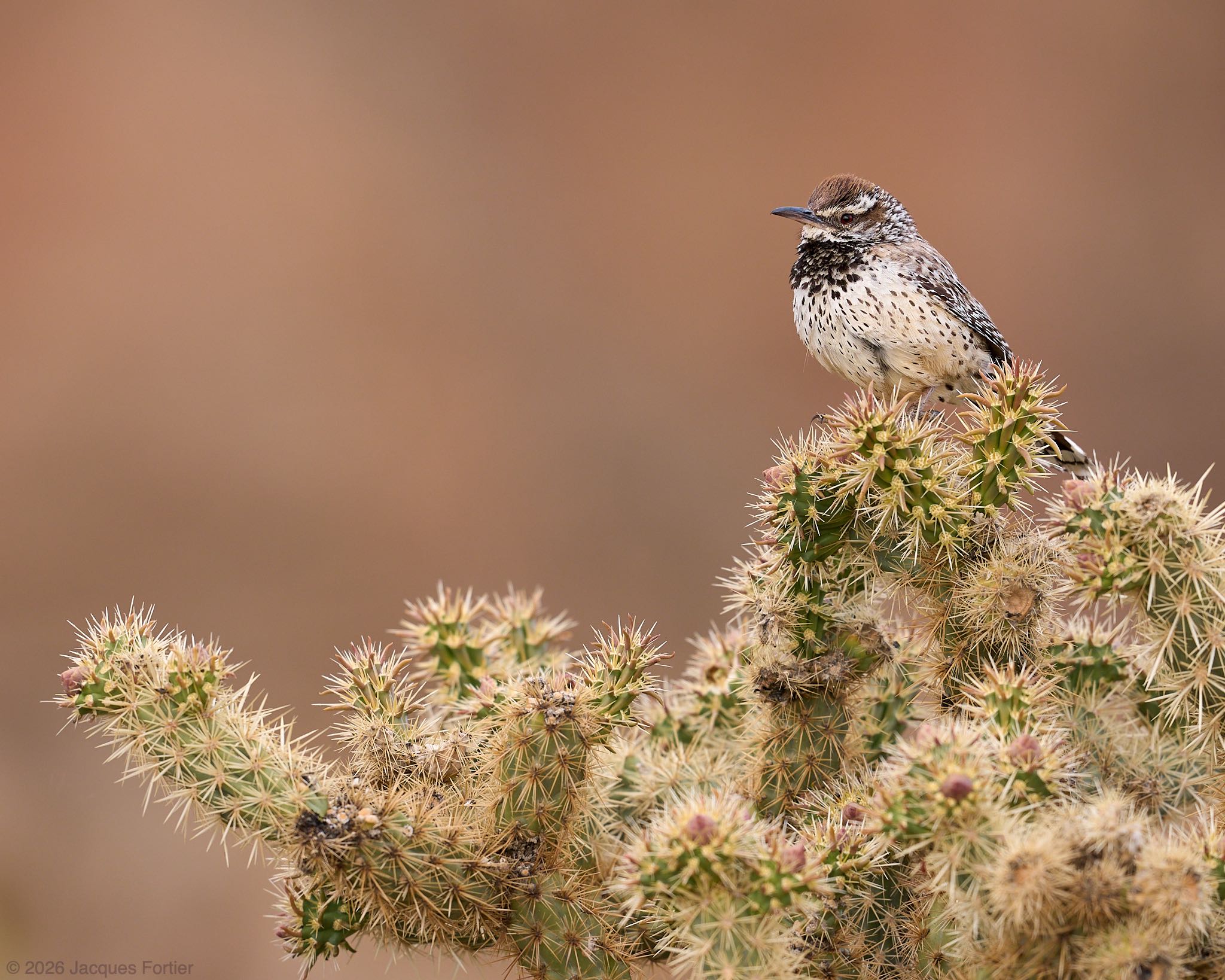
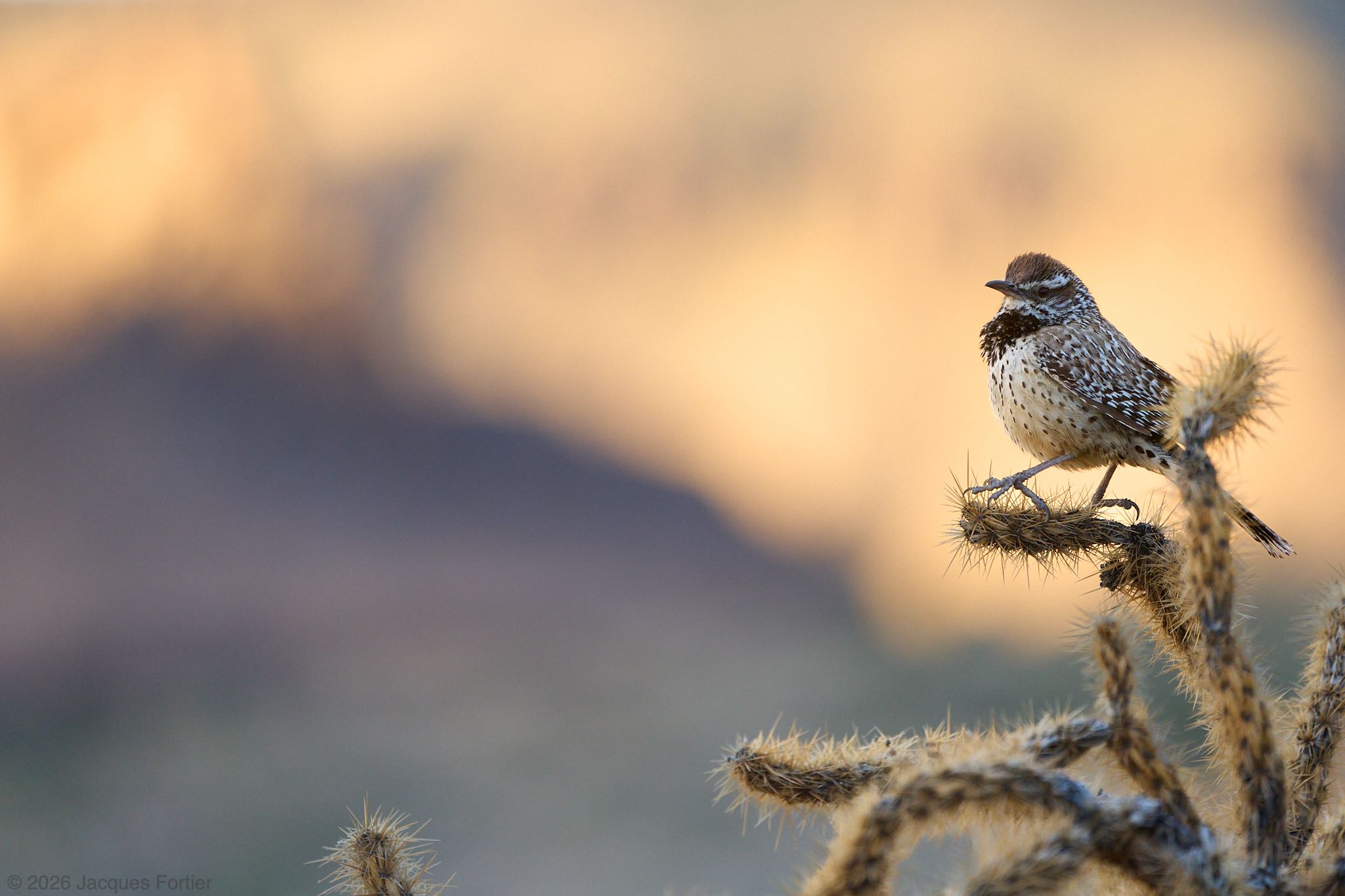
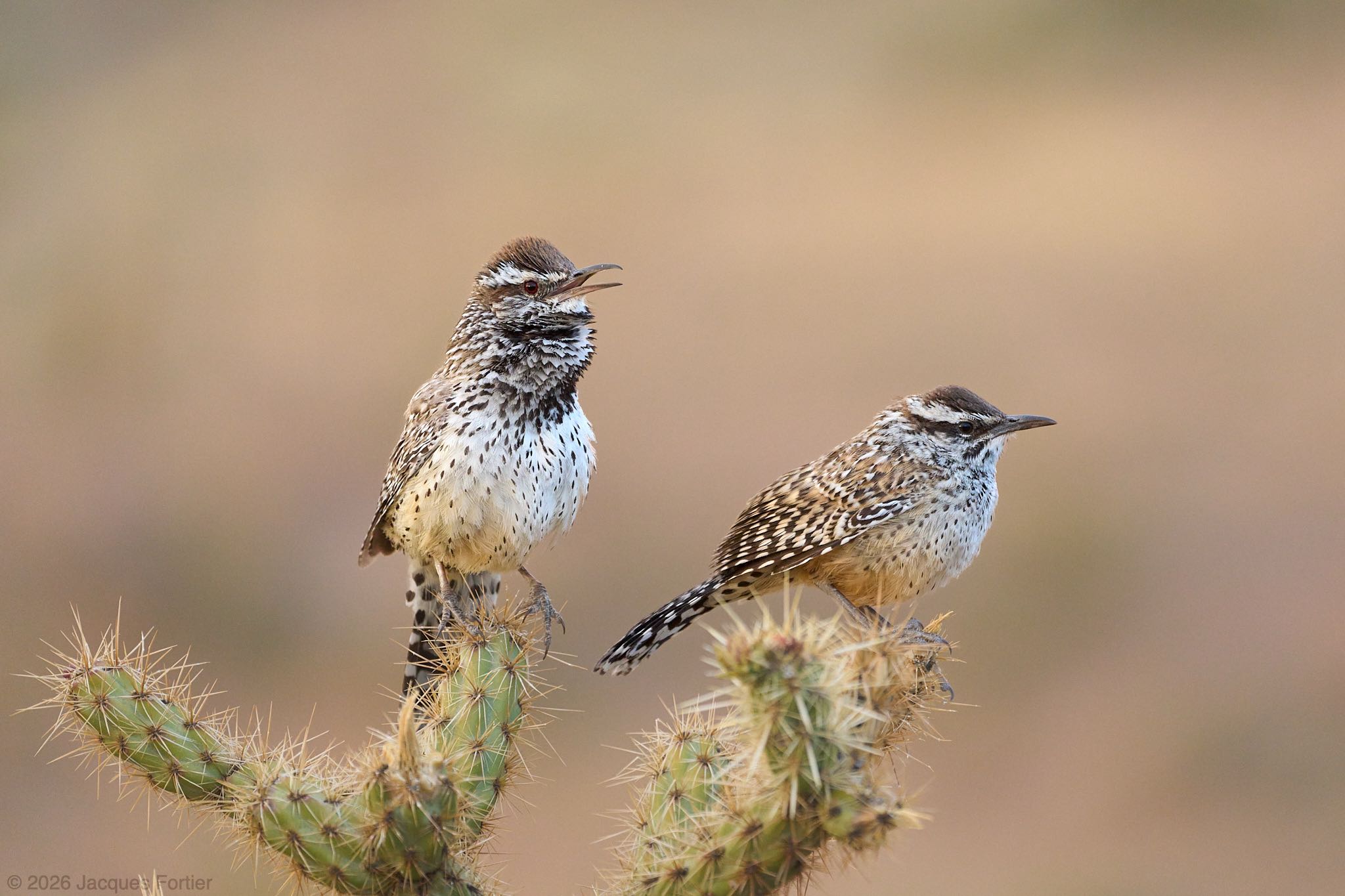
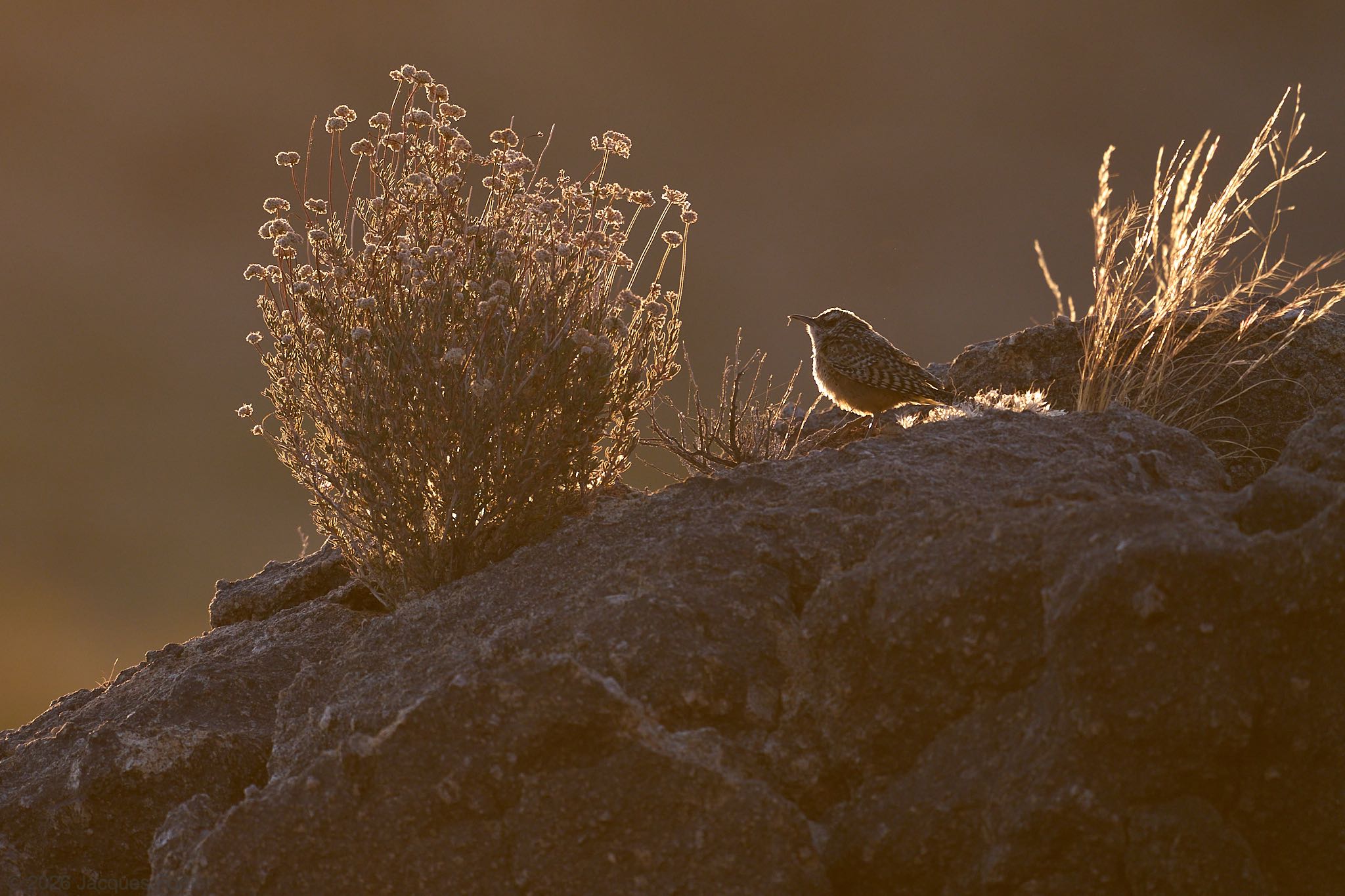
A couple of Cactus Wrens doing their thing on a cholla cactus in the Mojave Desert.
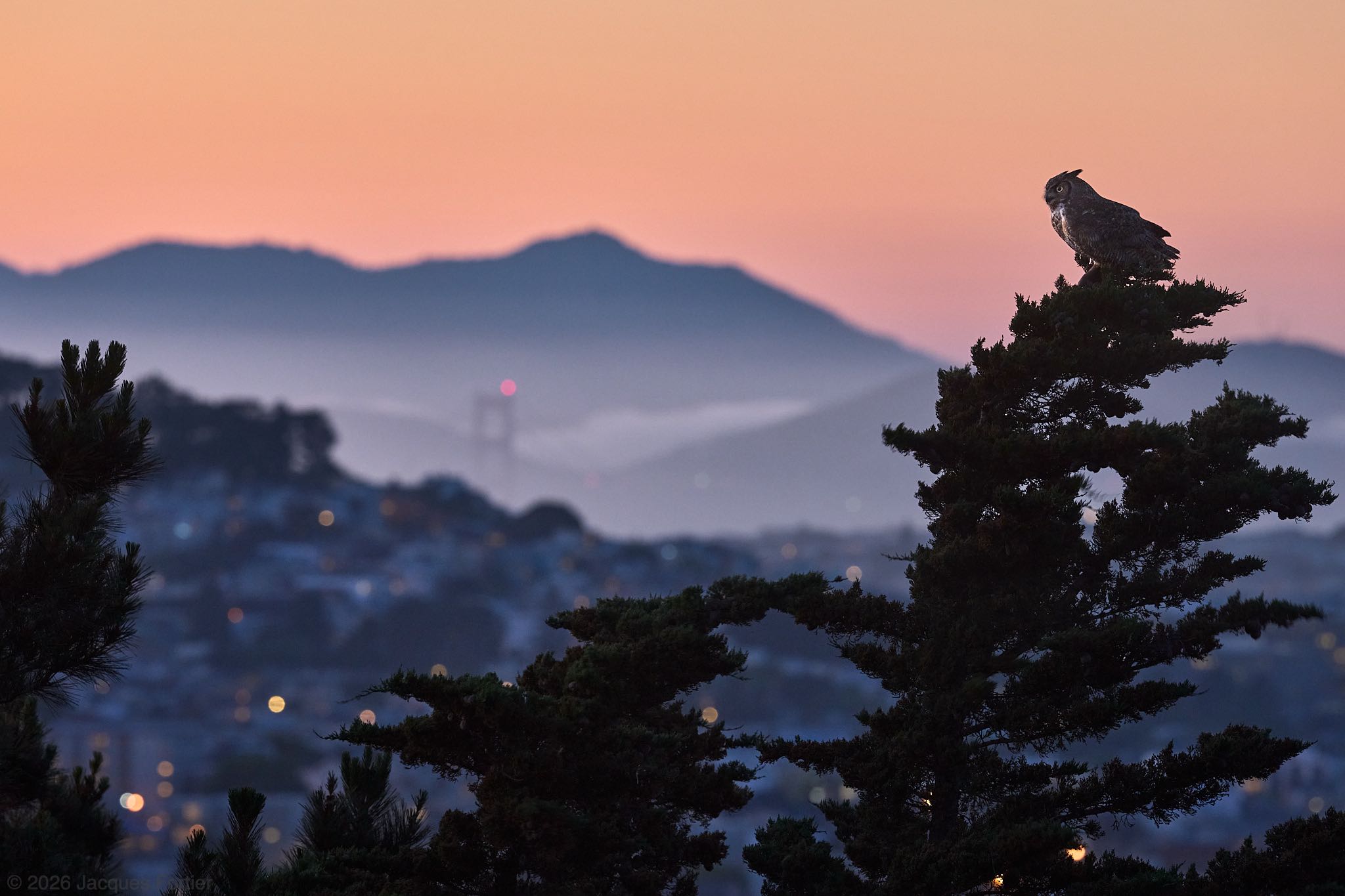
As fog wafts gently into the Golden Gate, an Great Horned Owl begins her evening hunt.
I’m not sure I’ve ever felt the exposure triangle more acutely than on this shot. Stopping down to try to pull in more background. Fighting motion blur on a breezy evening. Lots of detail buried deep in the blacks. Nothing was cooperating, except the owl who very kindly hung out while I fiddled with my settings. Fortunately, I got a few more than useable frames!
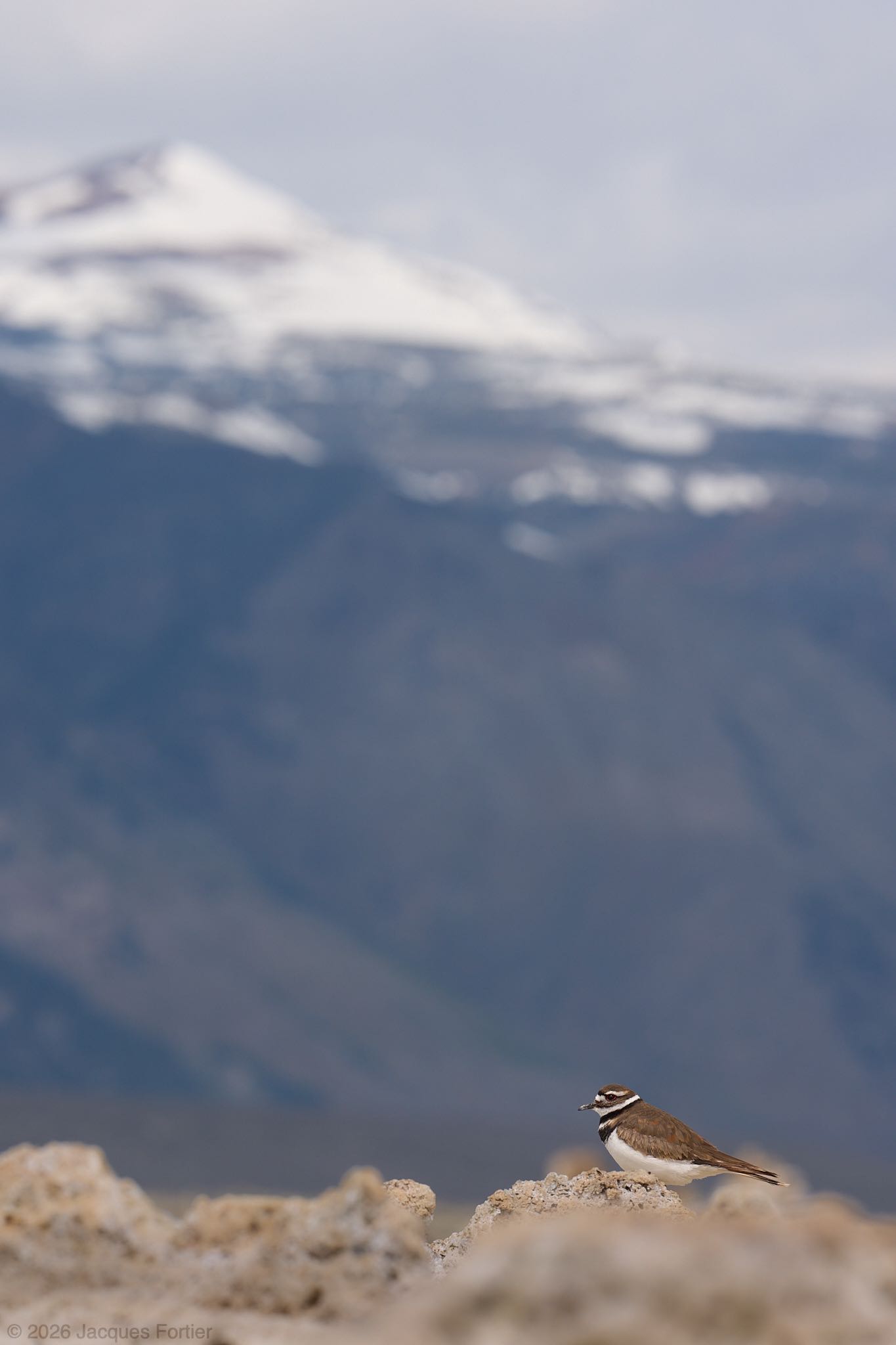
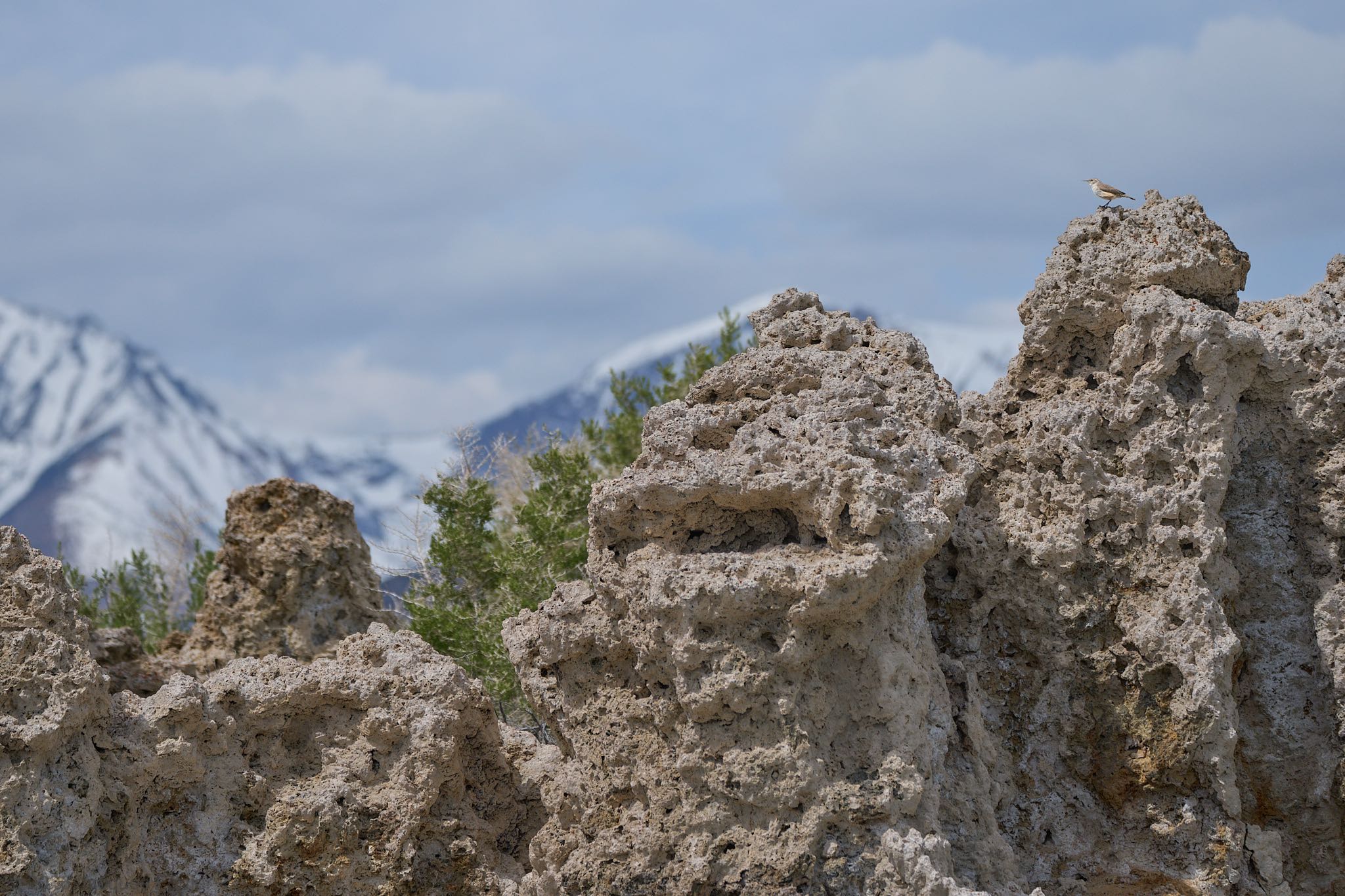
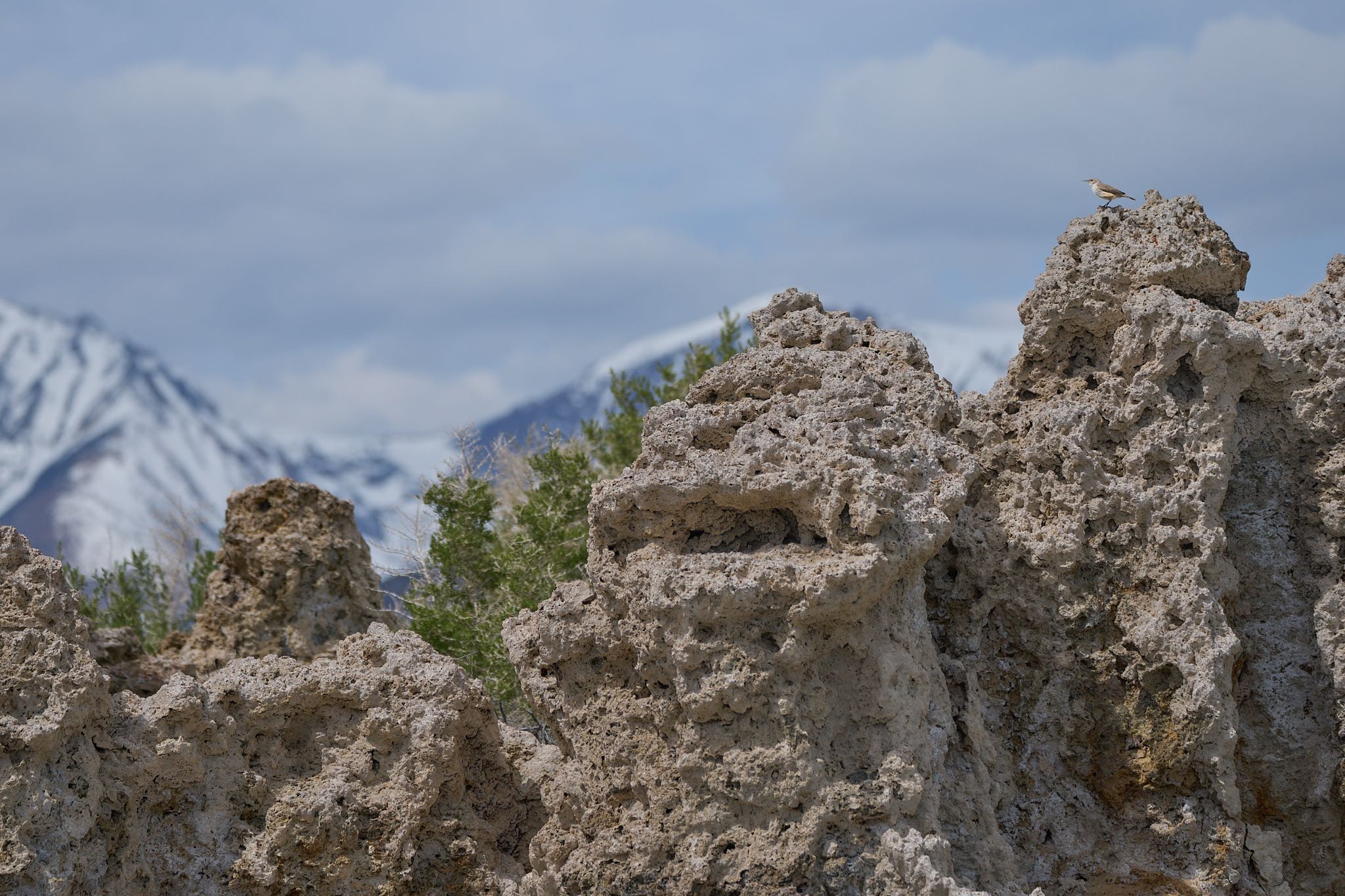
A Killdeer hangs out on a tufa formation as the Sierras loom in the distance. I felt very lucky to get this shot. It took 5 minutes of bellycrawling to get in close enough, but this Killdeer was remarkably tolerant as I crawled around lining up this shot.
Lately, I’ve been getting interested in using a van as a base camp for wildlife photography. I’ve done some backpacking photography, and while it’s a lot of fun, the limitations of dragging all of your gear with you requires some real compromises. Not to mention, some of my favorite places to do photography are very windy, which makes for some sleepless nights.
I decided to rent a Sprinter van from Moterra Campervans, drive out to some of my favorite places, and try a couple of new places. It was a ton of fun.
Here are some of my favorite photos from the trip.
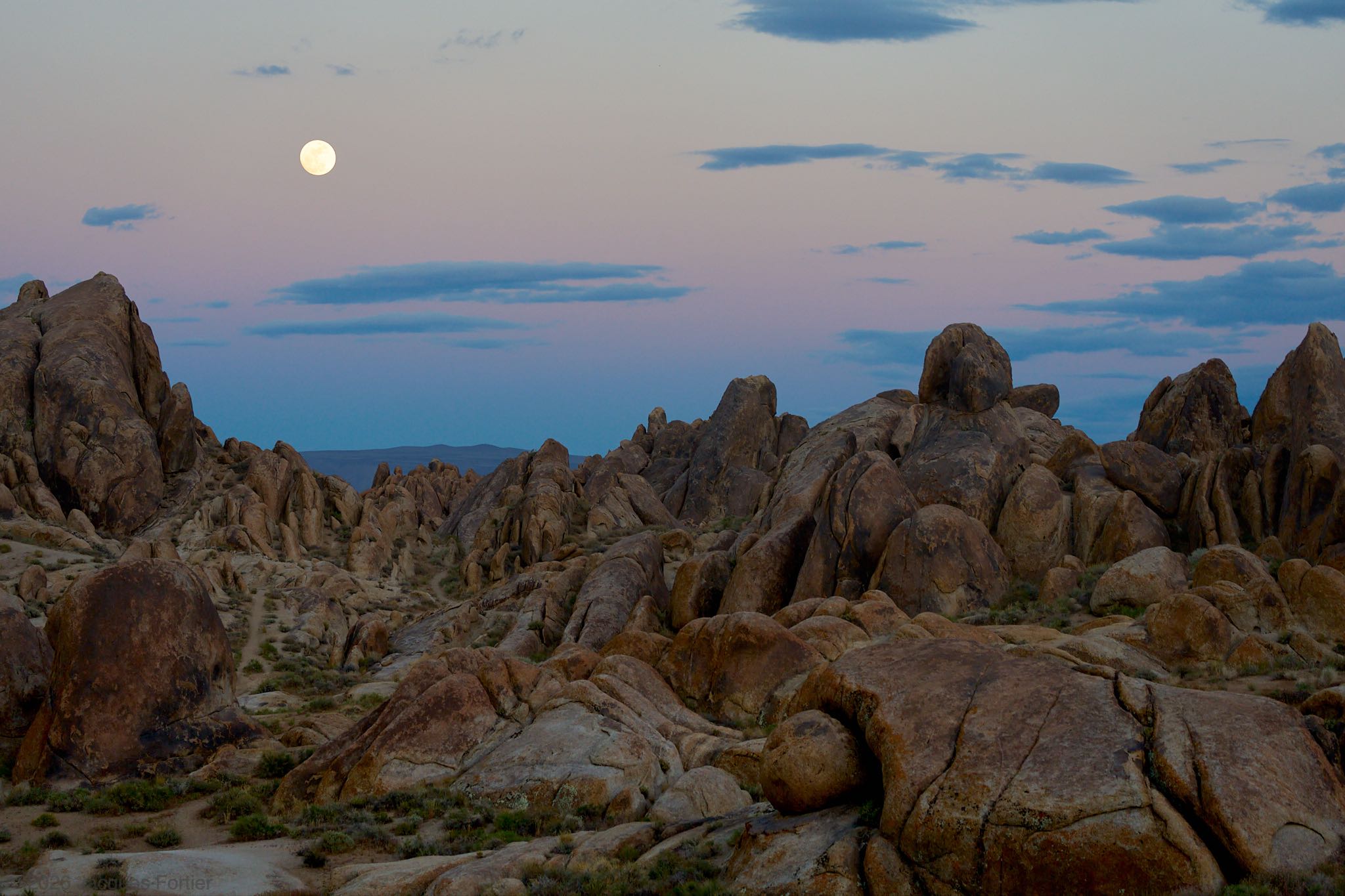
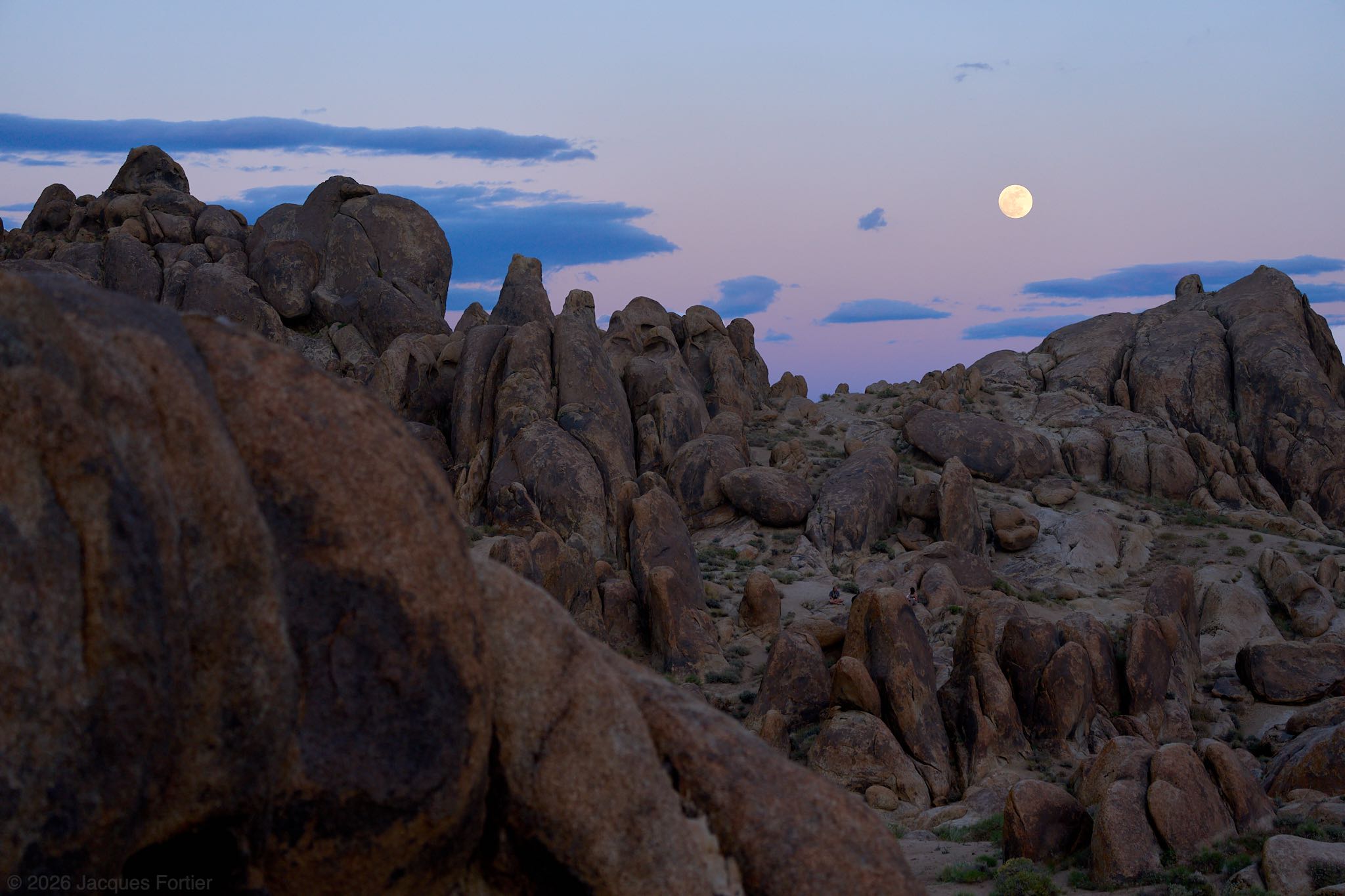



As the sun’s glow started to sneak over the eastern horizon, this Black-Tailed Jackrabbit was already hard at work, feeding on the Mojave Desert’s bounty.