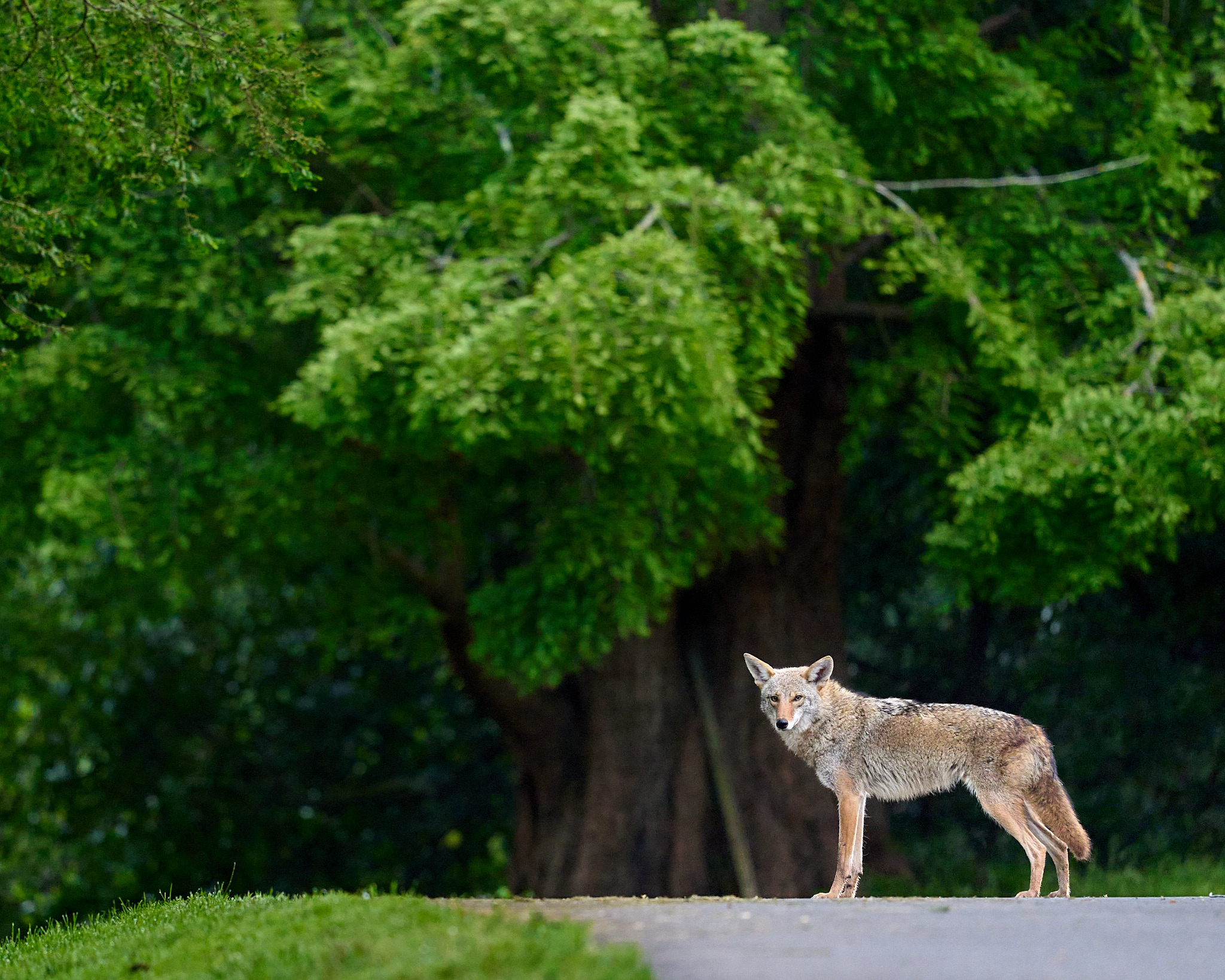
A Coyote glances my way before continuing down its path. It was very considerate to pause right in front of a shadowy area.
A Coyote glances my way before continuing down its path. It was very considerate to pause right in front of a shadowy area.
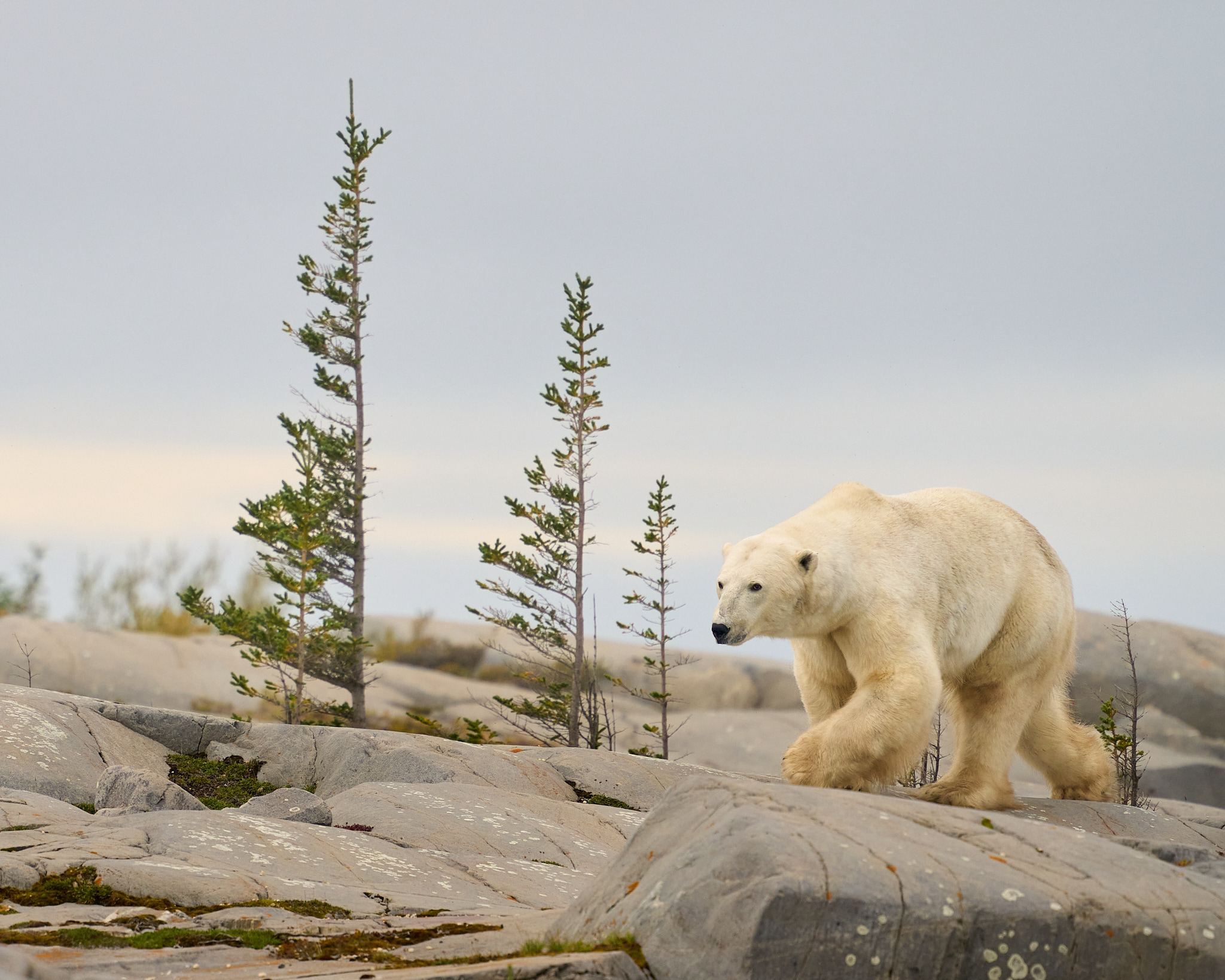
Polar bears and flag trees, two great tastes that go together.
A perfect last day of my tour with @discover_churchill, @ronhayes_wwi, and @beyondthewildpodcast.

When the sunset starts popping off, I often find myself in a desperate search for a subject. “Such good light… now what can I put in front of it???” When I saw this quail perched on a post, a plan came together in an instant.
I’ve tried a few different approaches to Quail in Flight photography (or QIF, as the connoisseurs call it). While those were fun photos, the challenge of catching a quail in flight meant they weren’t anything special beyond the ridiculousness of quail flight. If I could catch this quail taking flight backlit against the sunset clouds, that would be a whole different level.
After a few minutes of waiting, the quail was kind enough to take off mostly parallel to my frame, giving me exactly the shot I was going for.

September was a busy month with me, starting with a trip to Churchill to photograph polar bears and ending with a week in the Sierra Nevada, including a few days in the Eastern Sierra photographing American Pikas. They’re such serious little fluffballs, working hard to protect their territories, gather hay bales for winter, and move cured hay from drying piles to deep storage.
They’re also a worrisome story, as they can’t survive temperatures higher than about 78 degrees. They’ve been moving uphill to colder climes ever since the end of the last ice age, and in California are mostly found above 9500 ft or so. They don’t really have any higher to go at this point, so there’s a concern that populations will start to die out as they get squeezed out of their remaining habitat.
However, there’s research showing things aren’t completely hopeless. One of the reasons pikas live in rock piles is to benefit from its natural air conditioning. Some pika populations are adapting by limiting their activity to dawn/dusk, staying in cool deep recesses during the day. This is allowing them to survive at elevations down to about 7500 ft in eastern California.
While this pika’s colony is up at 10000 ft, it was a very warm day and I noticed they didn’t become active until after the sun dipped below the valley walls and temperatures started to drop.
This pika is in the middle of molting from its short brown summer coat to its longer gray winter coat. If you look closely, you can see some mountains reflected in its eye.
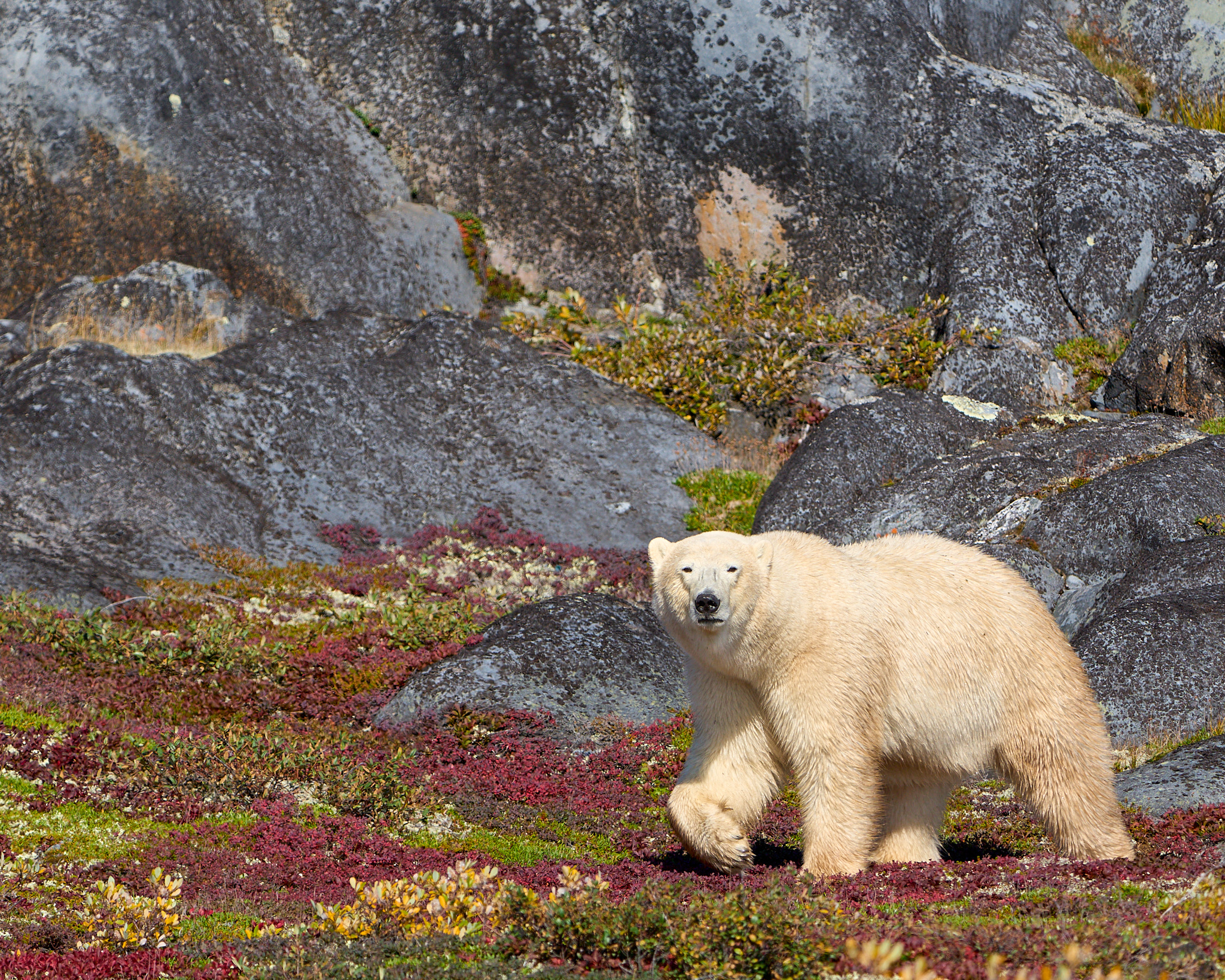
After this Polar Bear walked up close to investigate us, I quickly removed the 2x teleconverter from my lens. While frame-filling shots are always crowd pleasers, I wanted to make sure to include the reds from the bearberries and the yellows from the dwarf willows that were blanketing the fall tundra in color.
From @discover_churchill‘s Changing Colours of the Fall Tundra tour hosted by @ronhayes_wwi.
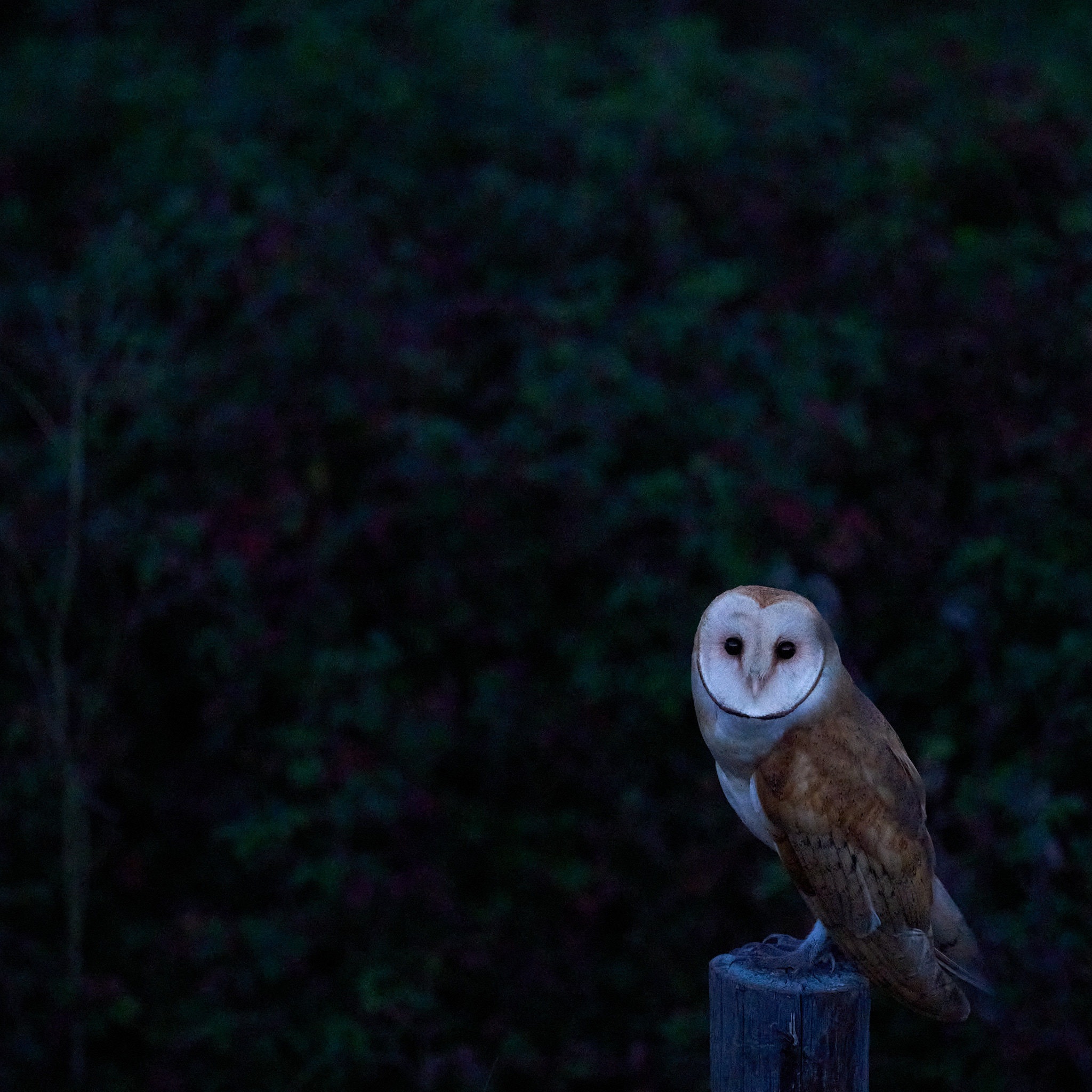
A half hour after sunset, the Barn Owls gain confidence. This one flew in and perched nearby to investigate me. As I stayed still and showed it I was a harmless observer, it turns its attention to scanning the area for prey before continuing along the fence line.

Sitting on a hillside as a summer day faded into obscurity, I was visited by a curious Barn Owl. The owl perched on a nearby jumble of snags and we sat in silence, our two worlds briefly coming together.

The perfect end to an amazing autumn week in Churchill: watching a spring Polar Bear cub and its mother survey the changing colors of the tundra from the top of a bluff.
Taken on a @discover_churchill tour with @ronhayes_wwi. Thanks to guides @tomastaylorart and @jimmy_pawistik for their expert wildlife knowledge and especially for keeping the bears and photographers safe!

I’ve always said the quality of restaurants’ food falls as the views improve. This Red-Tailed Hawk might agree as its gopher meal at Café de los Reyes is marred by the inclusion of intestines. Red-Tailed Hawks are somewhat picky eaters, carefully discarding the digestive tract even as they gobble up the rest of the animal.
Hat tip to @fledglingbirder for spotting the hawk grab a gopher over my shoulder while we chatted on the side of the road.
