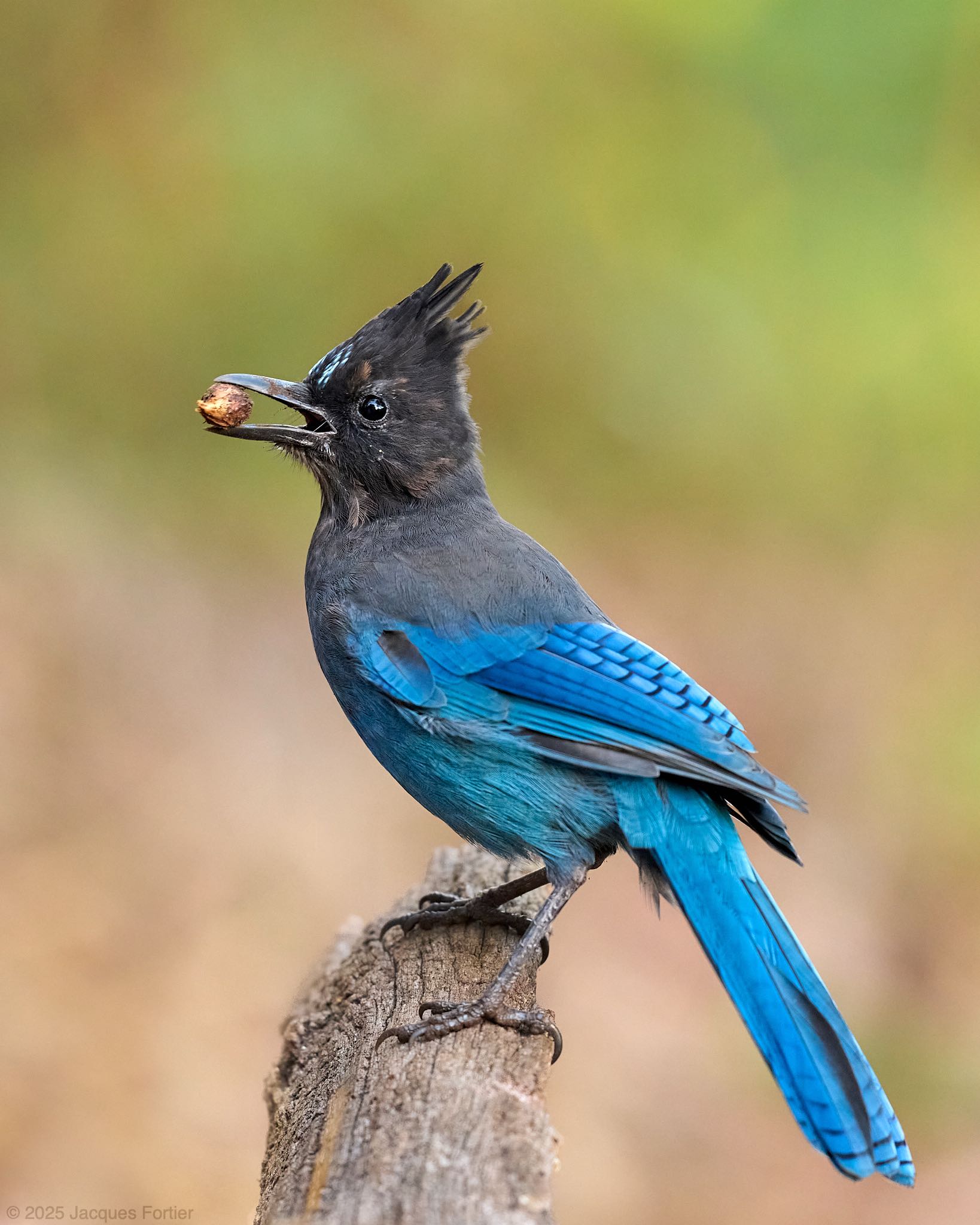
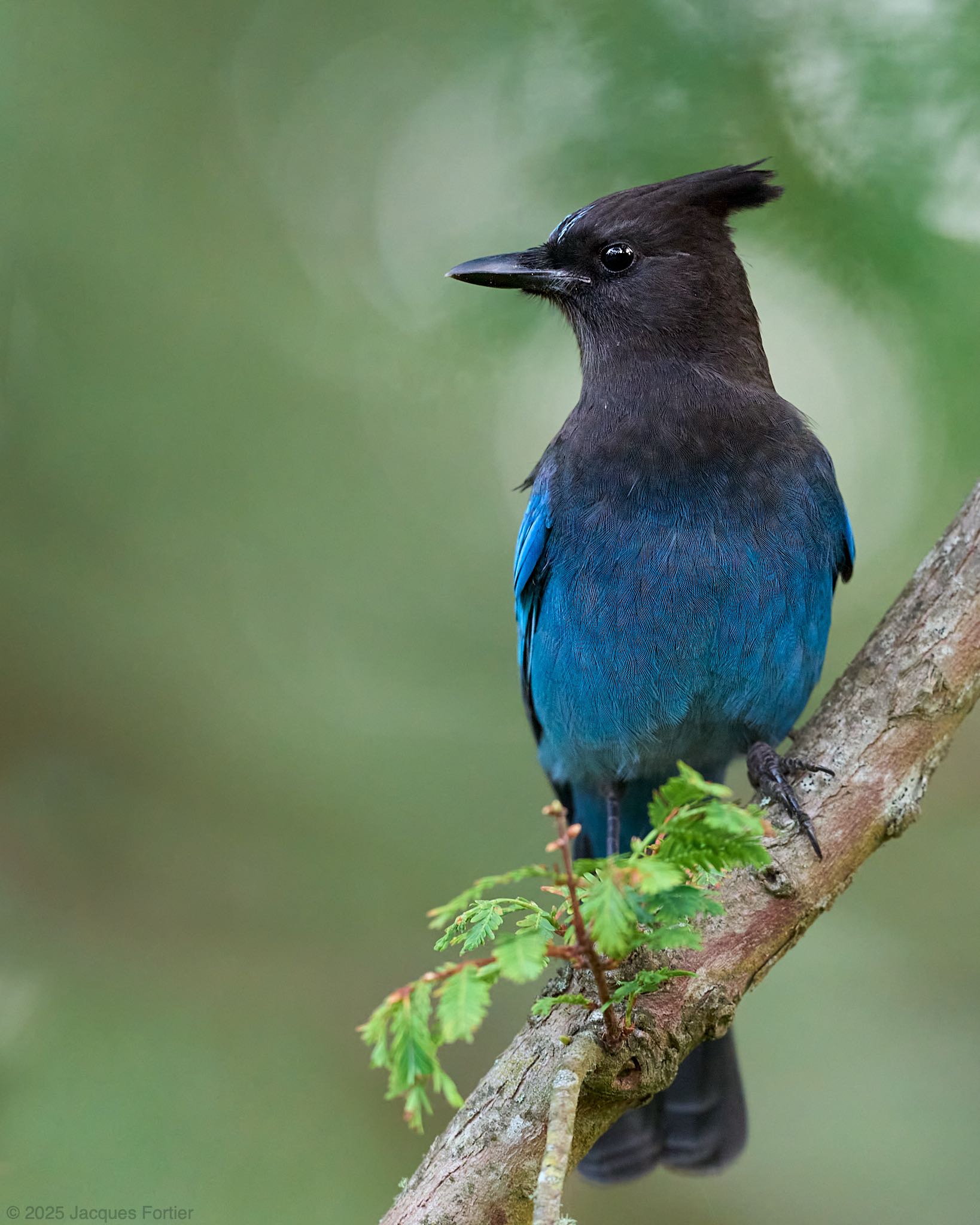
I came upon this Stellar’s Jay and its mate early in the morning, digging a hole in the ground with their beaks. After a few minutes, one of them came up with a buried nut and hopped up onto a snag with a triumphant rattling call. I’d never never seen a Stellar’s Jay retrieve cached food before.
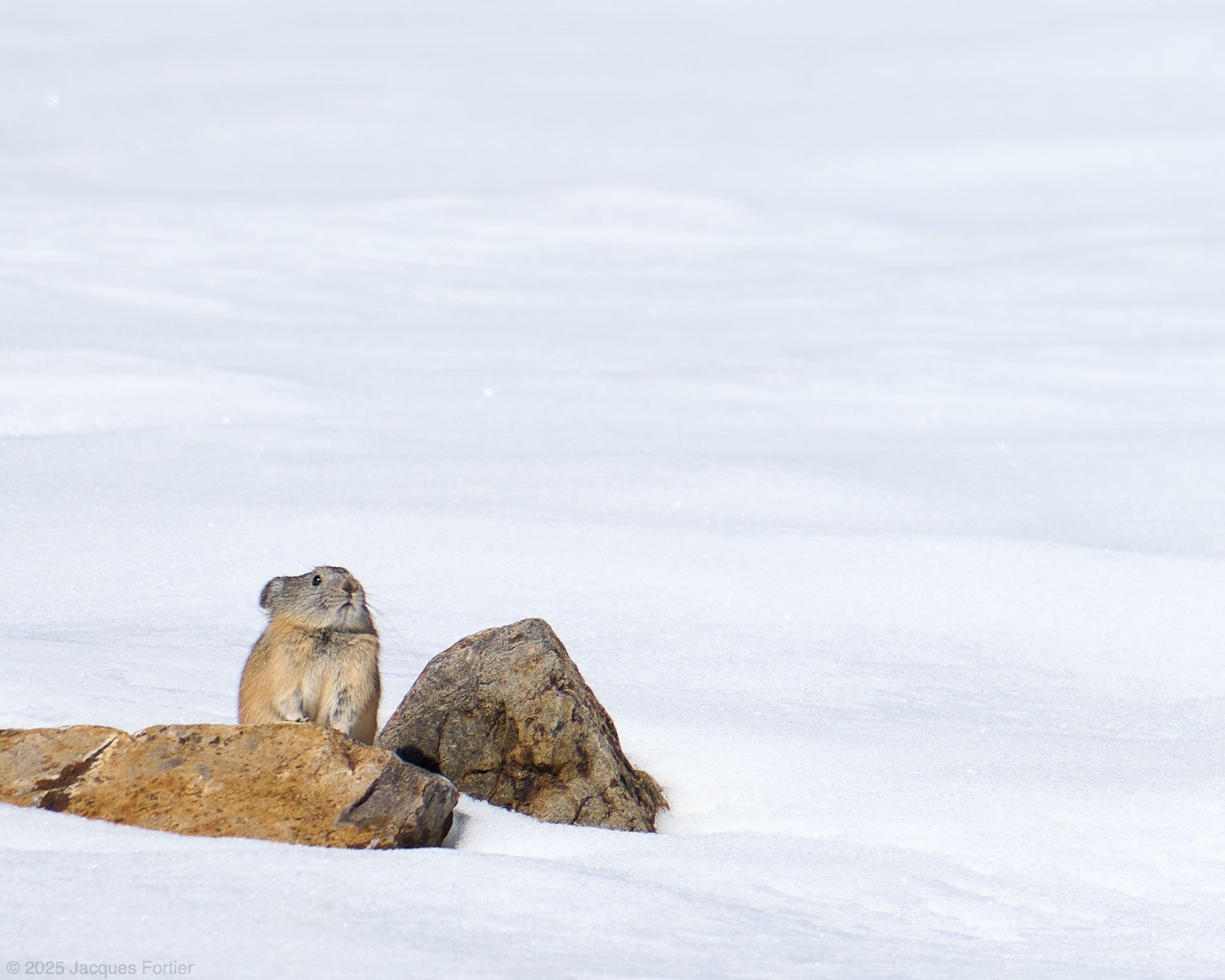
Ever since I got my first photo of an American Pika, I’ve wanted to photograph one in the snow. Snow defines their lives, driving them to spend the summer gathering hay to feed on in the snowy season, and providing a thick blanket to shelter and insulate their talus homes during the winter.
Unfortunately, their habitats are very challenging to access during the winter. Once there’s enough snow, the roads close for the season, and then only mountaineers can access their habitat. After a storm dumped just enough snow in the Sierra to cover the landscape without closing the roads for the season, I was able to make it out of my favorite pika spot.
The pikas aren’t nearly as active in the winter as they are in the summer. That made it hard to get the shot I really wanted, which was a pika on a snowy rock with a snow-covered peak in the background. Still, this shot was a unique look at these hardy little rock rabbits. Also, a great illustration of why the best way to find pikas is to listen for them!
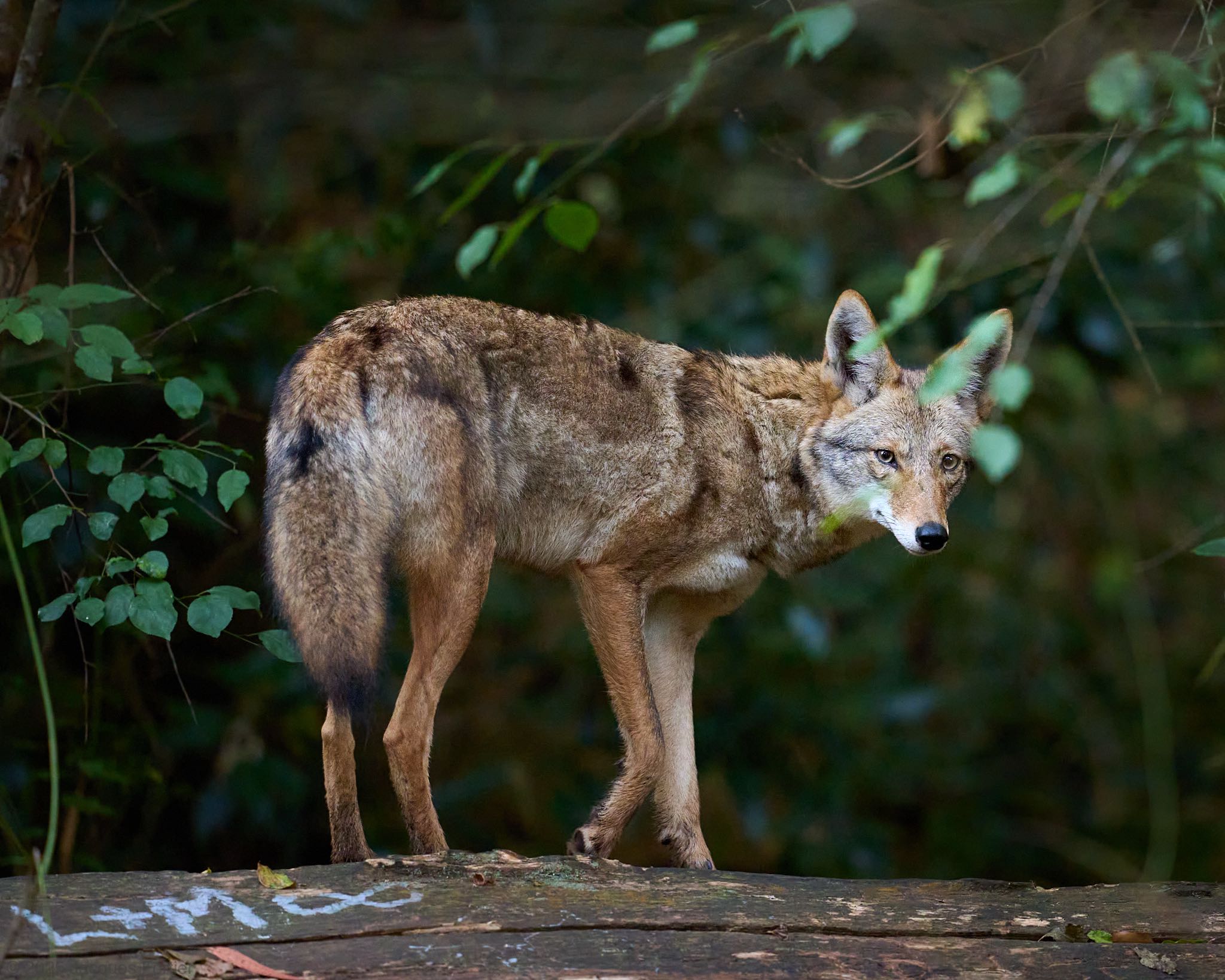
I don’t photograph urban Coyotes in the summer months. In the city, they’re mostly active around dawn and dusk, and I don’t quite have it in me to wake up at 5 am on the weekends. So as the days have been getting shorter, I’ve started looking for my favorite Coyote family. It took me four outings, but eventually I found their current core territory, shifted a little from the spring.
This guy is my favorite from the family. He was a rambunctious yearling when I last saw him. It appears he hasn’t yet been kicked out to make room for the next generation. He’s got a bit of his old personality, but seemed more focused on the business of being a Coyote. Maybe he’s doing his best to prove his worth in a prime territory.
I considered cloning out the graffiti on the log, but this is where they live. On the edges of our spaces, adapting to the stamp we put on their world. I hope L and M are doing well.
A Great Blue Heron watching and waiting for a fish to swim by.
I don’t usually get too fancy with foregrounds, but when I saw a tiny window in some greenery between me and the heron, I figured out a way to get just its head un obstructed and was pretty happy with the result.
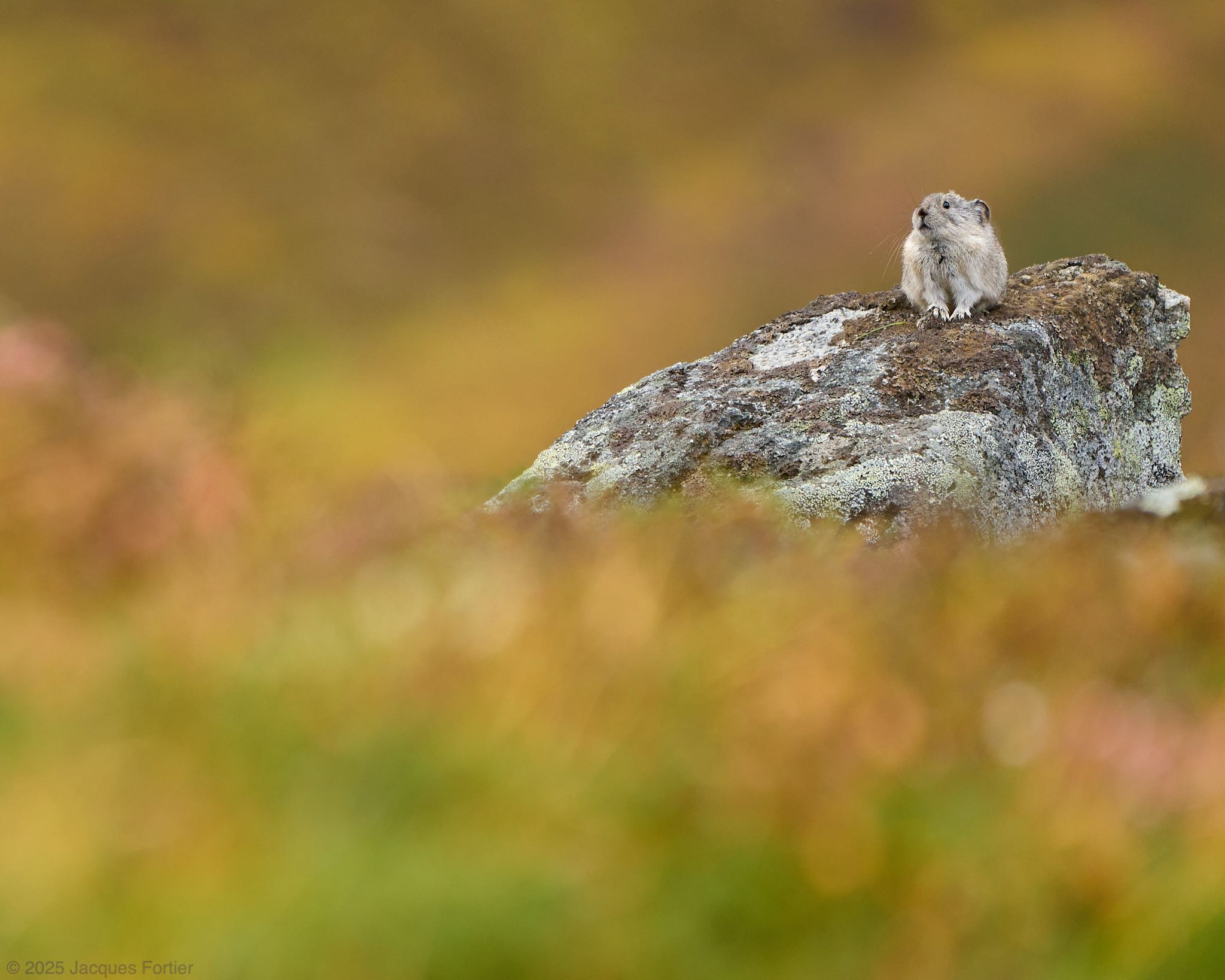
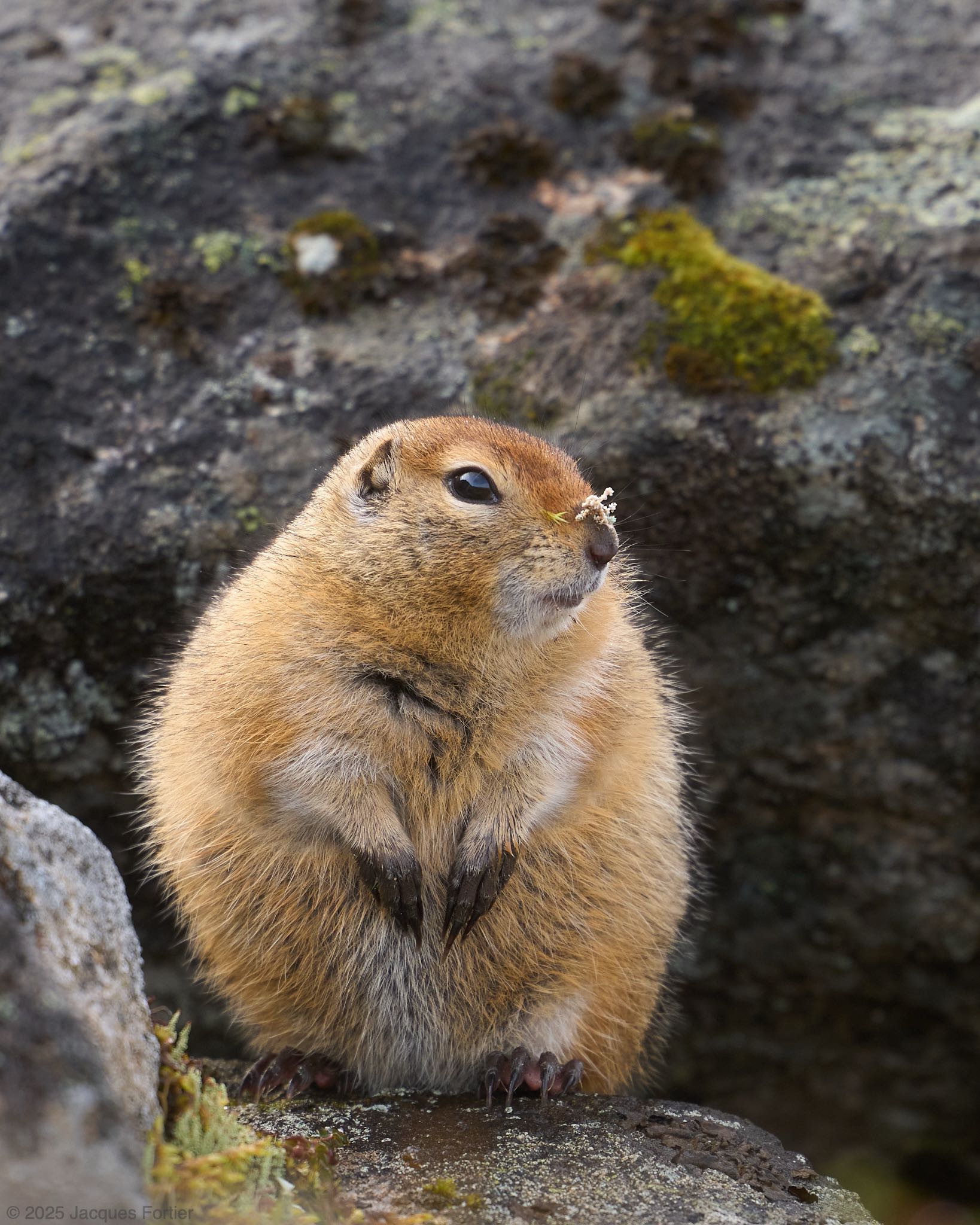
When the tundra looks this stunning, you have to sit extra adorably to compete.
This is the September image from my 2026 calendar, which is now for sale! I’ve been creating a calendar for friends and family for the past three years. After three years of refining my photography and searching for the right print shop, I’m ready to offer a calendar for sale to anyone who would like to hang my art on their wall. Go to jfsf.art/2026-calendar or tap the link in my profile to purchase.
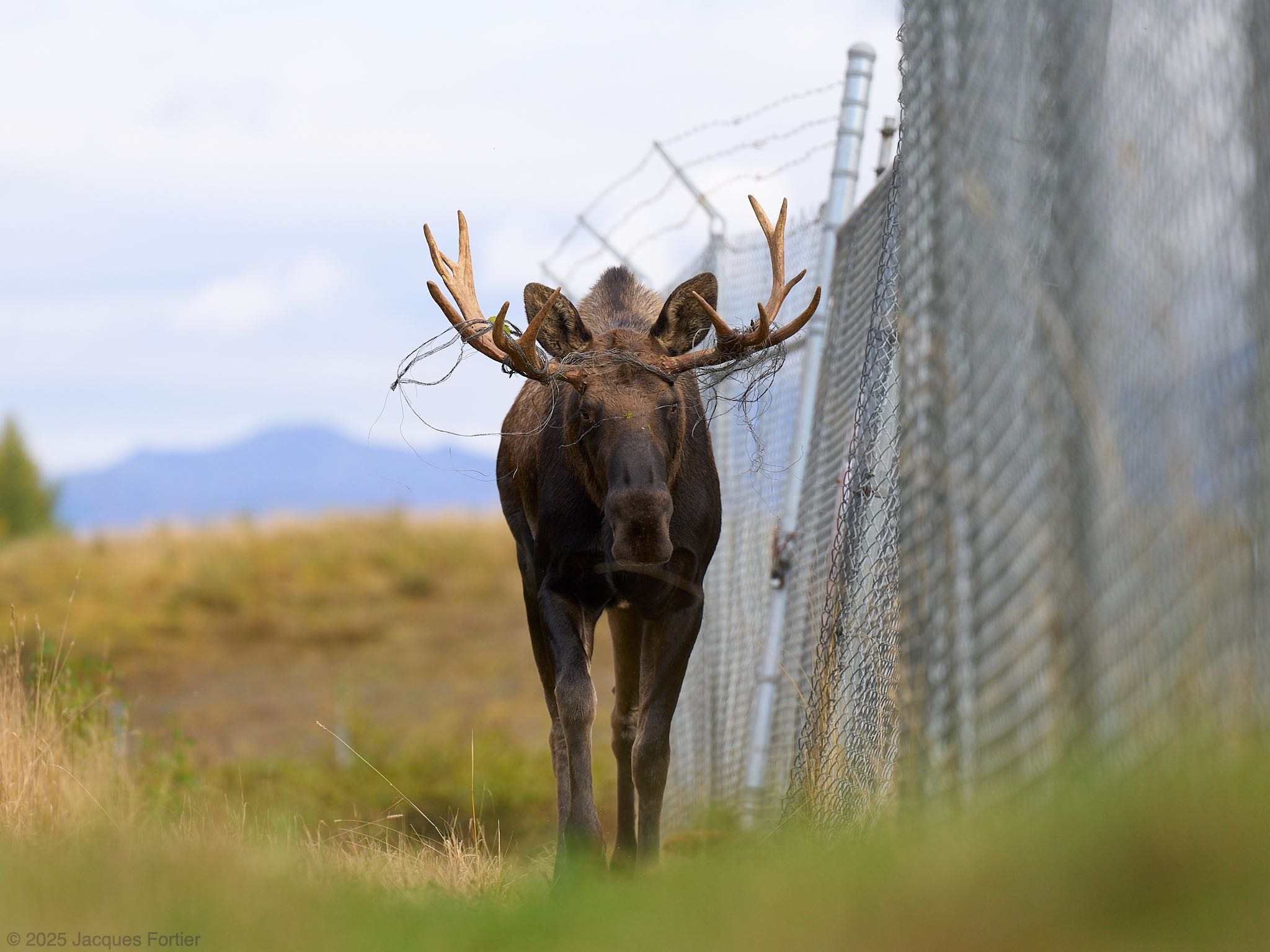
When wildlife lives at the interface between civilization and the natural world, they have extra threats to deal with, from vehicle collisions to entanglement in fencing and other human-created objects. Moose are particularly prone to entanglement during the rut, when they may take their aggression out on ropes, cables, cords, and fences.
Fortunately, this Moose was completely unfazed by the barbed wire tangled up in his antlers. A few minutes after this photo was taken, he showed a shrubbery who’s the boss, and then chased a cow who wasn’t quite in heat yet.
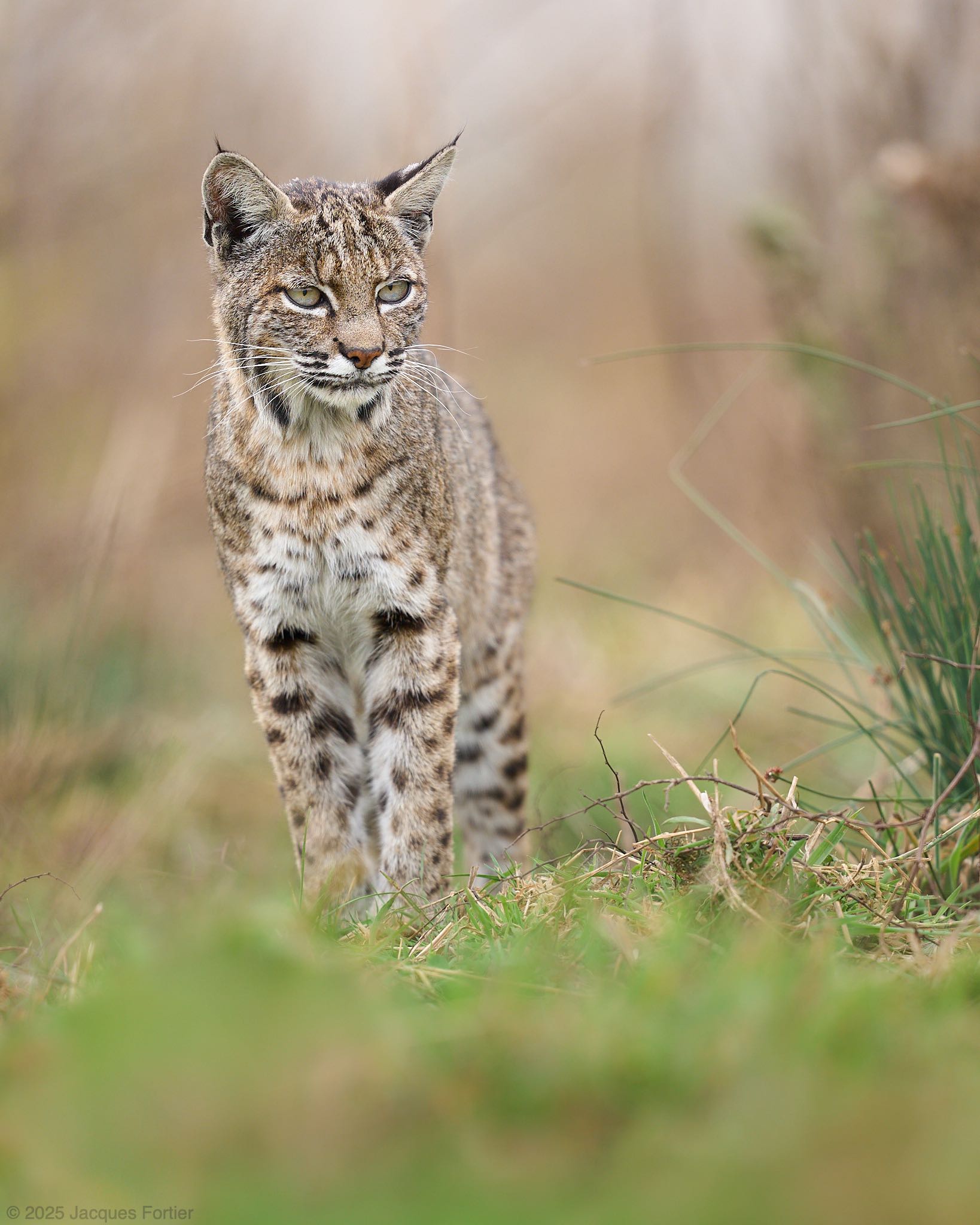
A Bobcat lost in thought. Maybe she’s thinking about her next meal? Or maybe she’s pondering how she ended up with a photographer pointing a camera at her despite her camouflage perfectly matching the dried grasses.